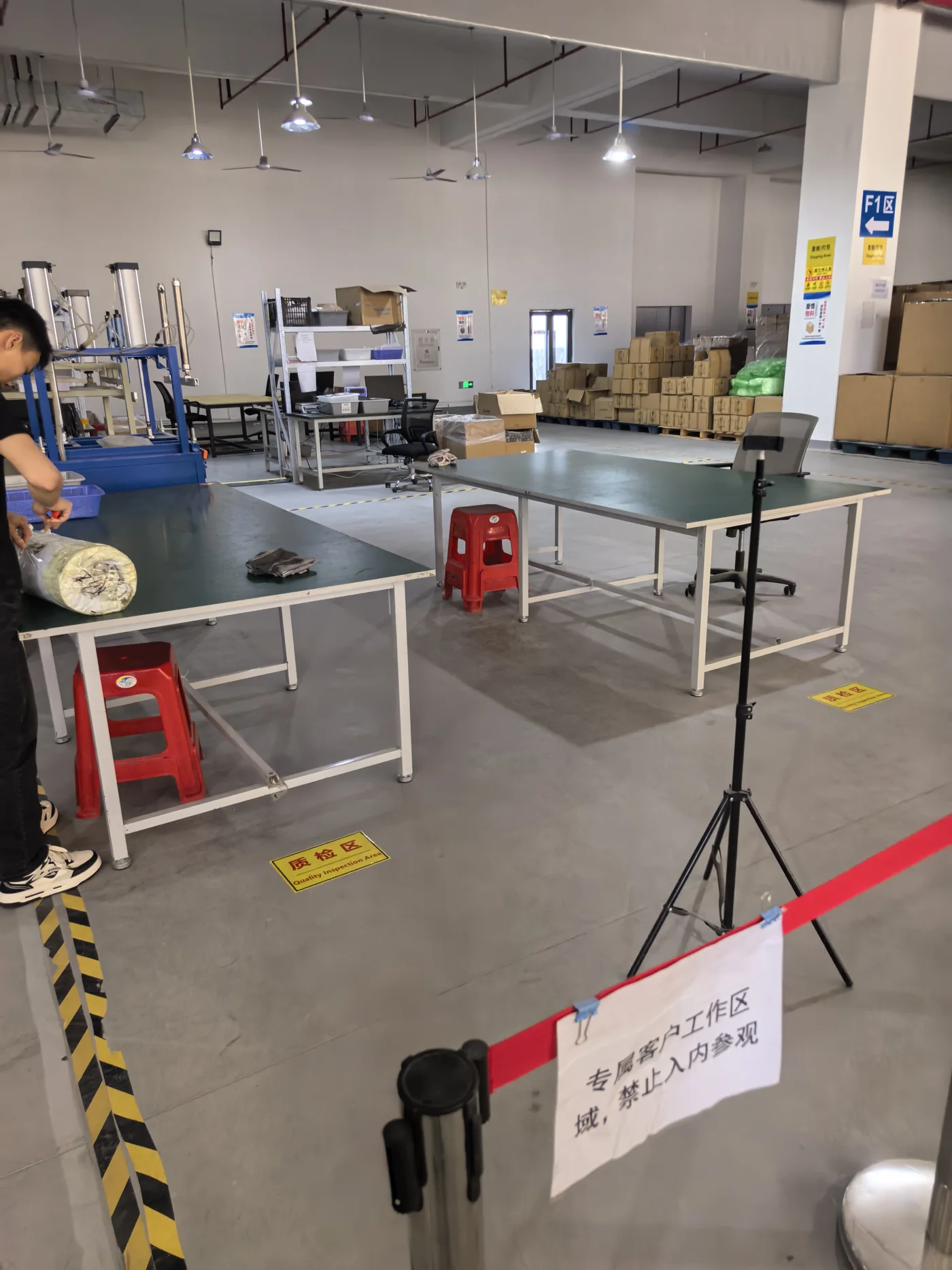
Why the Storage Layout Matters
Warehouse storage is part of the path from receiving to dispatch. Product identification, access and the distance between tasks affect the daily work as well as the amount of space occupied.
Overflow in working areas, recurring searches for stock and increasing picking mistakes are reasons to examine the layout. More space may help, but clearer organization or a different flow may address a problem without the same commitment.
Match the Storage Type to the Goods
Pallet-based stock and small-item picking require different storage and handling arrangements. Review how goods arrive, how individual orders are picked and what equipment is used before selecting racking, shelves or bins.
Vertical, mobile or other denser storage options also change access and handling. Their suitability needs a site-specific review of the building, goods, equipment and applicable safety requirements. Capacity alone is not enough to choose a system.
Draw the Operating Flow Before Buying Equipment
Map receiving, storage, picking, packing and dispatch on a simple floor plan. The plan should show how goods move between tasks and where staging, checking and exception work take place.
Use real SKU and order information to plan stock locations. Frequently picked goods need accessible positions, while bulky, heavy or specially handled stock has its own constraints. Check the actual routes staff and equipment will use rather than only counting shelf positions.
Use Clear Labels and Stock-Movement Records
Give each product and storage location a consistent identifier. A location system can refer to aisle, bay, shelf and bin, but the specific format matters less than applying it consistently and keeping records current.
Agree rotation and stock-handling instructions for the product. Recorded movements and regular checks make the setup less dependent on the memory of an experienced worker. Review picking exceptions to see whether labels, product similarity or locations are causing confusion.
Have Safety and Structural Requirements Reviewed
The floor plan, equipment and storage arrangement need a competent review for the site and its intended use. Confirm load ratings, access, working areas and the applicable building, fire and operational requirements before installation or change.
Keep goods and temporary staging within the approved arrangement. A general planning article cannot establish safe rack loads, aisle dimensions, clearances or compliance for a specific building.
Budget for the Whole Operation
Rent is one part of the warehouse budget. Include staff, handling equipment, shelving or racking, packaging, software, maintenance and the work required to receive and release goods.
Compare a dedicated space with a managed warehouse or 3PL using the same stock and order profile. The choice depends on the desired control, the resources available to manage the work and the complete costs, rather than a rent figure in isolation.
Avoid Overbuying and Planning Only for Today
Buy equipment for the work the operation can justify. A demonstration of a sophisticated system does not establish that its capacity, cost and maintenance fit a particular catalog.
At the same time, include seasonal stock and plausible changes in the order mix. Flexible arrangements can be easier to adjust than a layout filled to capacity on the first day. Test the working flow before expanding equipment or making a longer space commitment.
Run a Needs Audit and Observe the Result
Collect the SKU list, stock profile, order mix, handling requirements and peak working needs. Use that information to draw the first layout and compare space or service options.
Once work begins, observe receiving, picking and packing rather than assuming the plan is finished. Record delays and repeated exceptions, then revise the locations and working instructions with the team responsible for the operation.
Frequently asked questions
Should a small operation use pallet racking or shelving?
Start with the goods and picking method. Pallet movements and individual small-item picks call for different arrangements, which should be reviewed with the equipment, building and handling requirements.
What should a first warehouse plan show?
Show receiving, storage, picking, packing, dispatch and the movement between them. Include staging and exception work, product locations and the site-specific requirements reviewed by competent people.
What belongs in the warehouse budget?
Include the space, people, equipment, software, packaging and ongoing management of the work. Compare a managed service against the same stock and order profile.

.png)