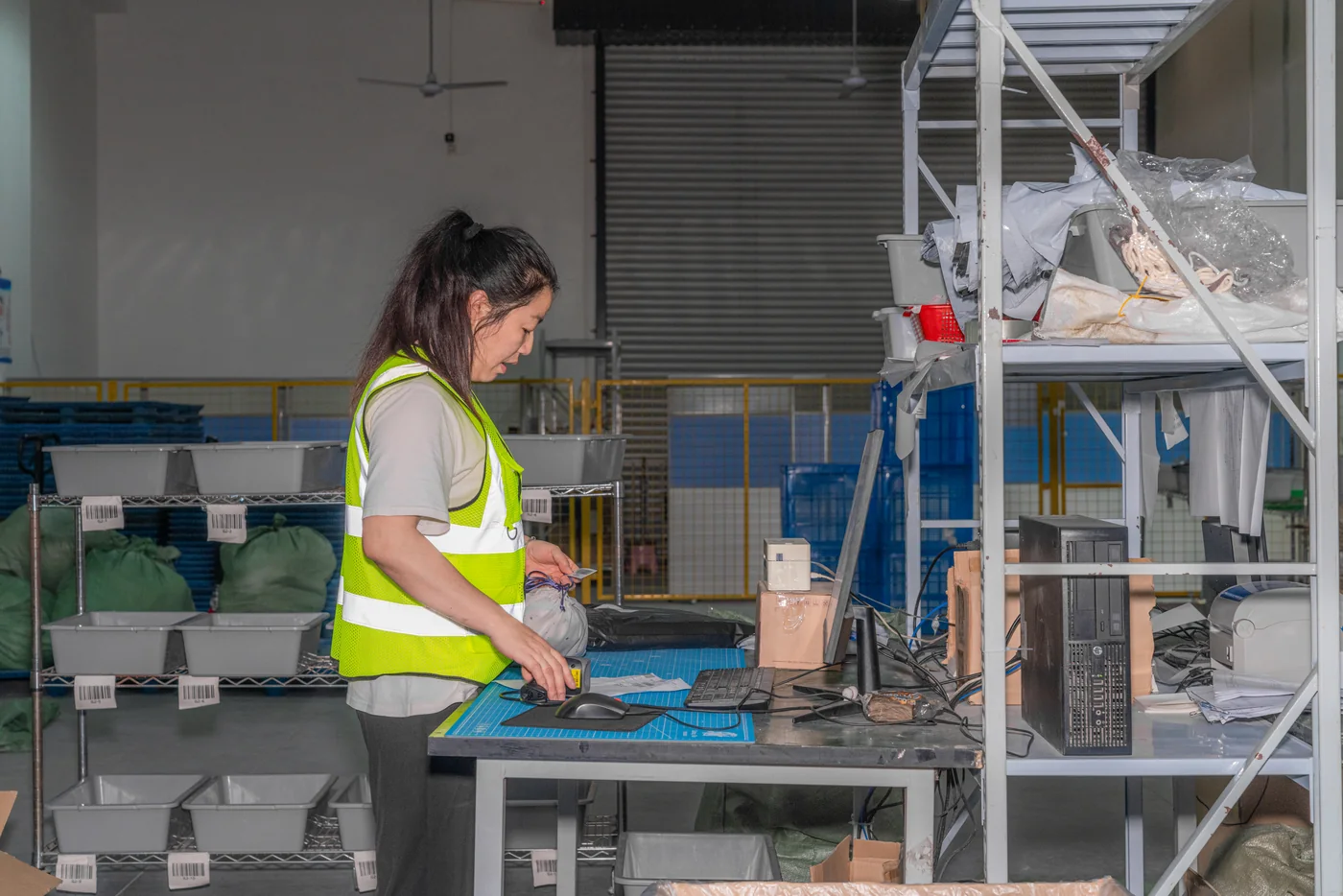
Inventory Storage Is Part of the Operating Model
Inventory storage is the system that holds goods between receiving and the next order or shipment. Space matters, but so do identification, access, counting and the work required to move stock through the operation.
Stock also ties up cash. Unused space, slow-moving goods and time spent searching for products affect the business beyond the rent payment. Treat the storage decision as part of the order workflow and inventory plan.
Compare the Main Storage Options
Self-storage or a small in-house area leaves the merchant responsible for receiving, counting, picking, packing and transport to the handover point. Review the access conditions and whether the space is suitable for the intended work.
A dedicated warehouse gives more control over layout and staffing but adds responsibilities for equipment, utilities, software and daily management. A 3PL combines an agreed storage scope with warehouse services; the quote needs to show which work is included.
Separate Fixed and Variable Costs
List rent, equipment, software and other recurring commitments separately from charges that change with stock and order activity. Include the merchant’s own labor and travel time when comparing an in-house arrangement with an outside service.
For a consistent period, divide the total relevant operating cost by the units or orders handled, and name the denominator clearly. Compare the same scope across options. Cost per order, cost per unit and cost per SKU answer different questions and should not be mixed.
Match the Storage Setup to the Workload
A limited catalog and modest workload may suit a simple, clearly labeled arrangement. As the workload changes, review the time spent receiving and packing, the accuracy of stock records and whether space is restricting the operation.
A warehouse or 3PL should be assessed against the sustained order profile, not one unusually strong month. Include seasonal stock, replenishment frequency and expected product variations in the plan before making a longer commitment.
Organize for Picking and Stock Control
Use order history to understand which products are picked most often. Locate frequently used stock where it can be reached efficiently, subject to the handling and storage requirements of the goods.
Identify both products and physical locations. A SKU label explains what the item is; a location label explains where it belongs. Keep the naming system consistent and record stock movements so the operation does not depend on one person’s memory.
Recognize When the Arrangement Needs to Change
Repeated picking errors, blocked working areas, difficult stock counts or packing work that consumes the available team are reasons to review the setup. Determine whether the problem comes from insufficient space, poor organization or a workload beyond the current resources.
Plan for seasonal peaks before stock arrives. Compare the existing arrangement with additional space, a revised layout or a managed service, and use a trial where practical. Outsourcing is one possible response, rather than a fixed volume threshold every store must follow.
Make a Financial and Operational Comparison
Build one worksheet showing the products, stock profile, expected work and complete costs for each option. Include the effect on the team’s time and the customer order process, not just a rent figure.
Use actual results to review the decision. Track stock accuracy, picking and packing work, exceptions and cost per defined unit. A useful storage arrangement should remain understandable as the catalog and order mix change.
Frequently asked questions
What costs are easy to miss in a storage comparison?
Labor, travel, receiving, equipment, packaging, software, stock losses and the cash held in slow-moving inventory may be overlooked when the comparison begins with rent alone.
When should a seller consider a 3PL?
Review it when warehouse work, space or inventory problems are limiting the operation. Compare the proposed 3PL scope with the actual cost and resources needed to improve the current setup.
What is the simplest useful organization change?
Use clear SKU and location labels, keep stock movements recorded and review where frequently picked products are stored. Product and location identification need to work together.

.png)