At a glance
Multi-channel fulfillment from China needs one agreed view of stock availability across the channels using the same physical inventory. Link store variants to warehouse SKUs, reserve accepted demand and separate unavailable units before publishing sellable quantities. Listing the same product on several platforms does not create extra inventory.
Separate a product identity from a channel listing
One warehouse SKU may connect to different listing references on Amazon, Shopify or eBay. Keep those relationships in a mapping file rather than replacing the warehouse SKU whenever a listing changes. The physical item needs a stable identity through receiving, picking and stock counts.
Different packs require an additional decision. A single unit and a three-unit offer may draw from the same component stock, but their sellable quantities are not the same. Agree whether the warehouse holds assembled packs or builds them after receiving an order.
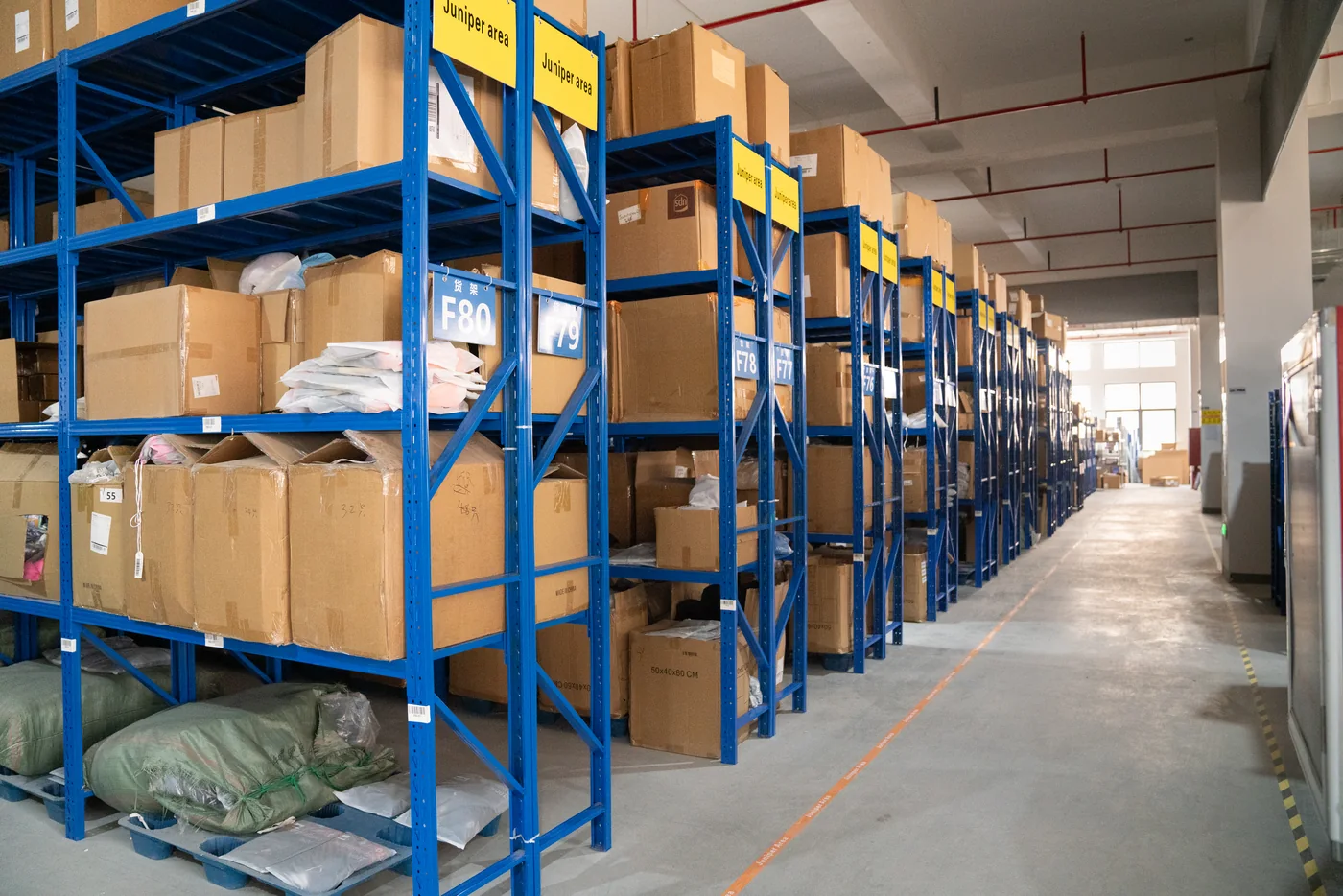
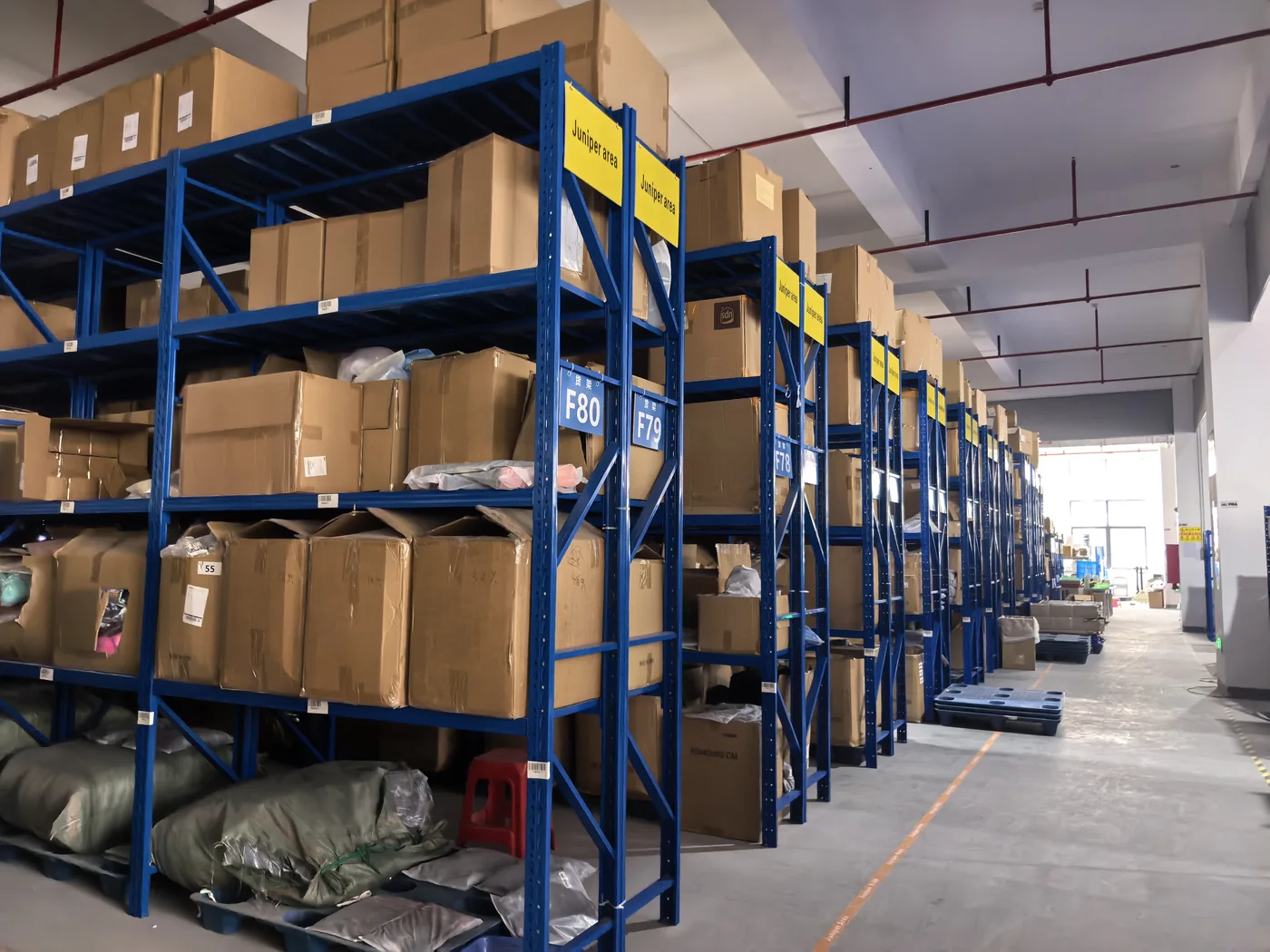
fulfillmentyx's published customer experience from Jassica.L describes an Amazon, Shopify and eBay operation using consolidated international shipping and local parcel delivery. For a similar order flow, map how each channel passes its order reference through international transport and final-mile delivery.
Calculate what can still be promised
On-hand stock includes goods that may already belong to accepted orders or may be held for a problem. Identify those states before synchronizing a quantity back to a sales channel. The names used by the store and the warehouse can differ, so agree their meaning in the account brief.
Consider a planning example with 120 physical units. If 20 are reserved for accepted orders and 5 are held for inspection, 95 remain before any agreed safety reserve. Publishing 120 units to each storefront would ignore those commitments. This is an example of allocation, not a statement about an actual customer account.
Incoming stock also needs a release rule. A supplier's dispatch notice can support planning, but it does not confirm the quantity or condition that the warehouse will accept.
Control the time between updates
Record which system owns stock changes and how each channel receives them. Ask how often quantities update, what happens when a connection fails and which events create a reservation. Avoid running two independent adjustments for the same sale without a reconciliation rule.
If updates are delayed, a channel reserve may reduce the chance of promising the last units twice. Choose its size from the actual sales pattern and observed delay. A reserve that is never reviewed can also hide usable inventory, so keep its purpose and owner visible.
Test conflicts rather than only normal orders
Place test orders that compete for the last available units. Include a cancellation, a returned item and a bundle that uses an item also sold separately. Check the resulting warehouse balance and the quantities shown on each channel.
| Test | Expected decision |
|---|---|
| Two channels request the remaining unit | One reservation rule decides allocation |
| A bundle shares a component with a single-item listing | Both draw from the correct stock relationship |
| An order is canceled after picking begins | Stock returns only after the warehouse accepts the cancellation |
| A damaged return arrives | It stays unavailable until the agreed review is complete |
The test should leave an audit trail that the merchant can follow without guessing which platform changed the number.
Review exceptions with one account owner
Daily reconciliation should distinguish stock discrepancies, import failures and shipping exceptions. They may appear together in a seller's dashboard, but they require different corrections. Counting stock will not fix a duplicate order import, and resending an order will not repair an incorrect SKU mapping.
fulfillmentyx can coordinate warehouse stock and orders across the agreed platforms through an account-specific connection method. Start the discussion with a channel map, a product file and the allocation rules the business wants to use. Add channels after the shared stock process has been tested.
Frequently asked questions
Should every channel display the entire available balance?
That depends on demand, update timing and the allocation model. Sharing the full balance can be workable with a reliable reservation process, while other accounts use channel limits. Test the choice under competing orders and document who may change those limits during promotions.
How should preorders appear in the warehouse stock file?
Keep expected supply and accepted preorder commitments identifiable. Do not blend them into unrestricted received stock. Agree when the incoming units will be counted, checked and released, and how customer orders will be allocated if the accepted delivery is smaller than the forecast.
Does adding another sales platform require a new physical SKU?
Usually the warehouse identity can stay the same when the physical product is unchanged. Add the new channel reference to the mapping. A different pack, product revision or included accessory may need a separate identity or assembly instruction, so review the physical difference first.

.png)