

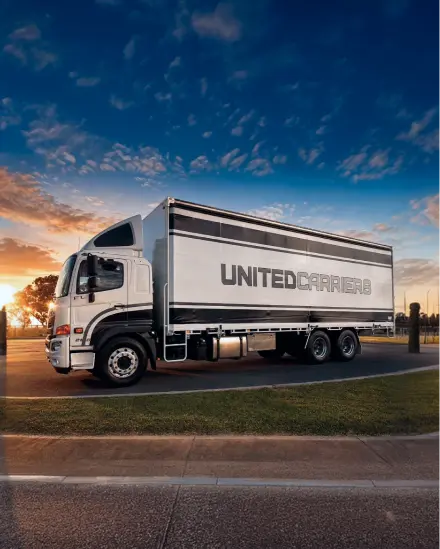
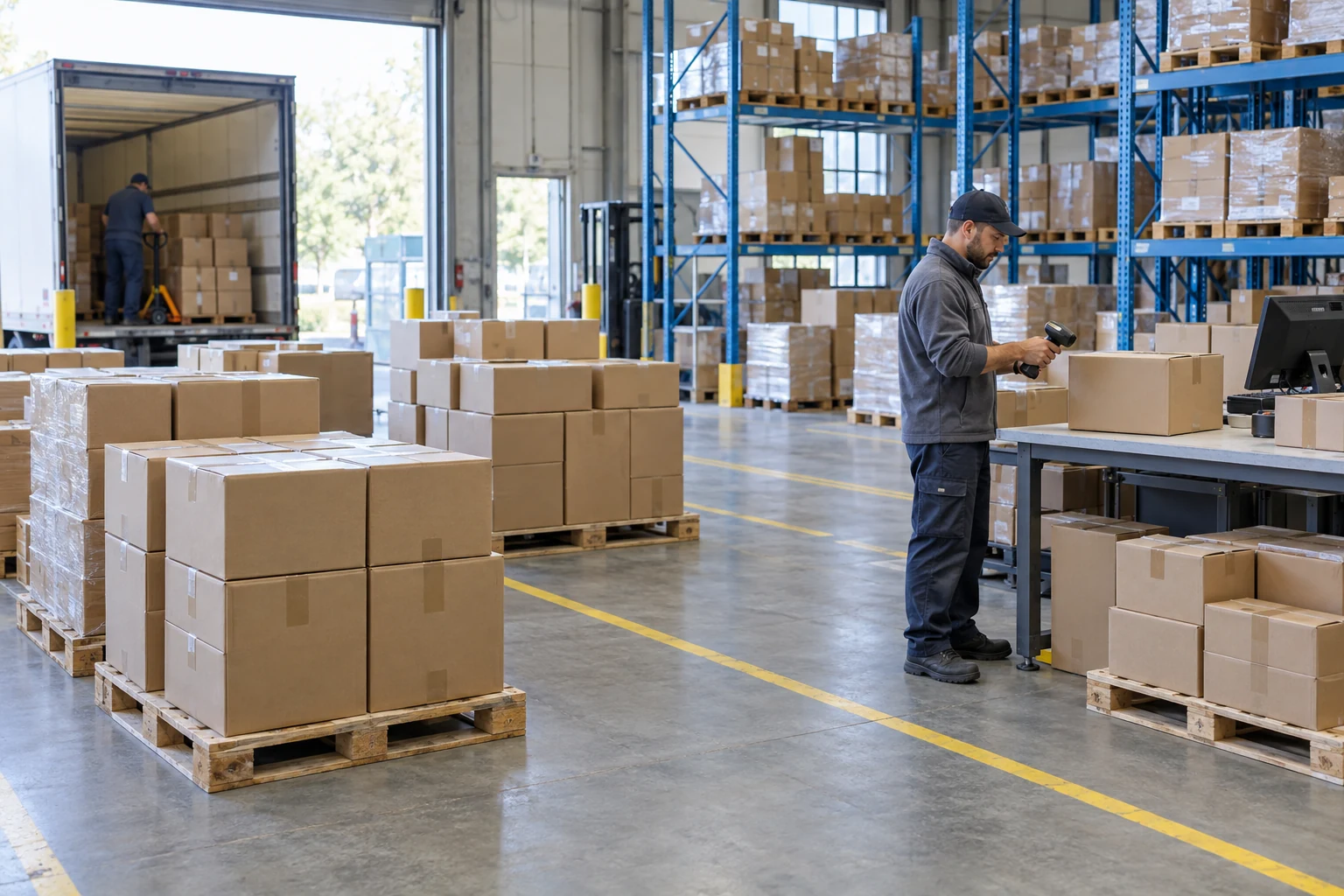
fulfillmentyx brings incoming goods into a China-based warehouse workflow. Receiving starts with the purchase order, packing list and SKU information, so the team can compare what arrives with what was expected.
Stock is organized by SKU and storage location. Inventory records, stock checks and discrepancy reports give your team a clearer view of goods available for customer orders, FBA replenishment or wholesale shipments.
Storage and handling are planned around the products, their packaging and the way orders leave the warehouse. Share the number of SKUs, expected stock volume and replenishment pattern so the operating scope and quotation can be agreed before goods arrive.

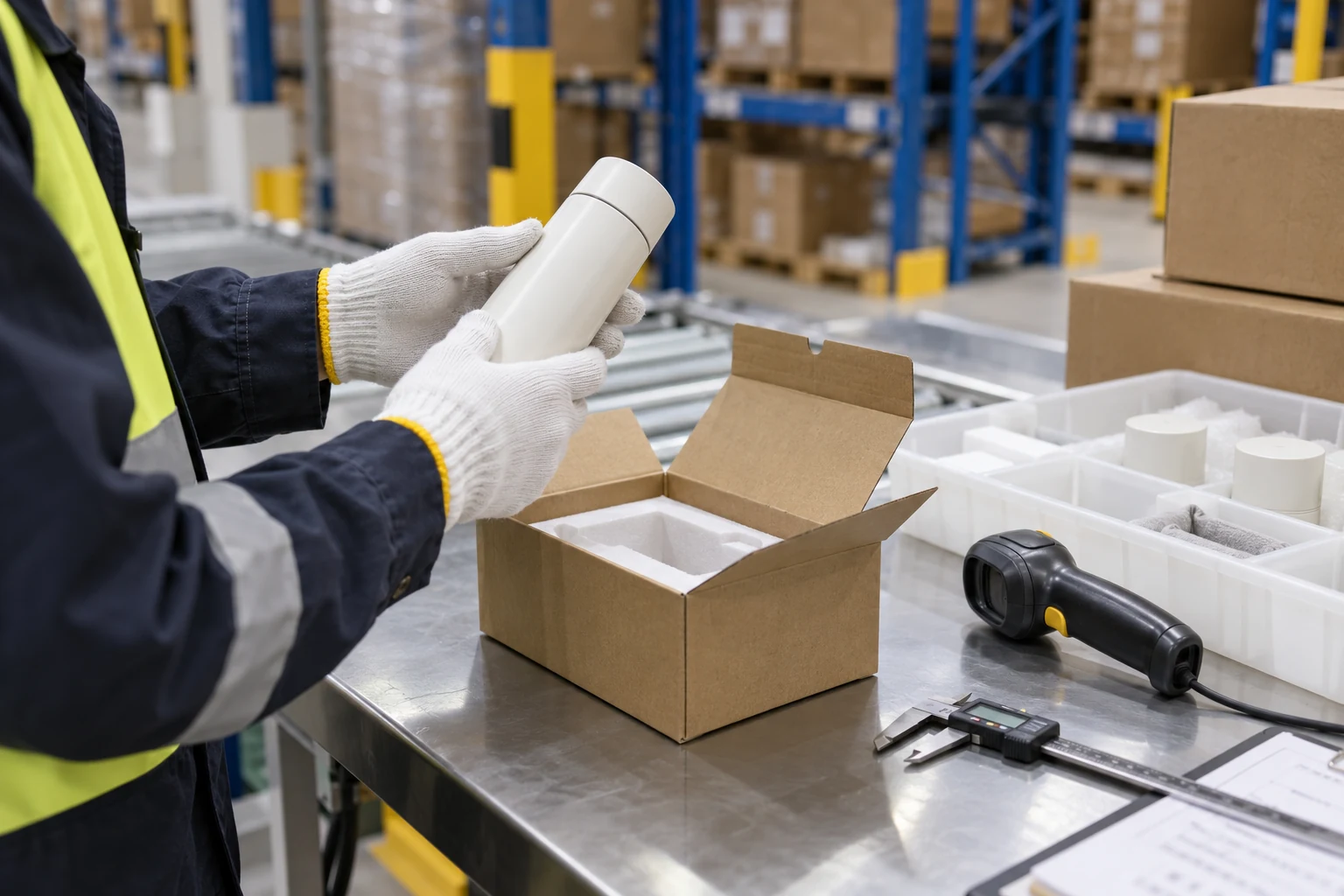
Preparation begins with the seller's product instructions and shipment requirements. Factory deliveries are received and counted before the agreed inspection, labeling or packing work starts.
Available work includes FNSKU labels, polybagging, bundles, carton labels, barcode covering and repackaging. Visual, packaging and functional checks should follow a written scope, including any test method and acceptance criteria supplied by the customer.
The final review compares the prepared goods with the instructions for that shipment. Marketplace requirements vary by product and destination, so the current shipment plan and applicable receiving requirements should be checked before preparation is approved.
Keep inventory near your Chinese suppliers and release goods as customer orders arrive. fulfillmentyx handles the warehouse work between order intake and carrier handover, including picking, checking, packing and shipping-label preparation.
An order can use standard protective packaging or the approved branded materials stored for your account. Packing instructions should identify the product, inserts, accessories and presentation expected for each order type.
Order intake and tracking return are arranged around the sales channels and systems in use. The connection method, dispatch schedule and shipping service are agreed for the account rather than assumed from a platform logo or a general delivery promise.
Orders from several suppliers can arrive on different dates, in different cartons and with different paperwork. A consolidation plan brings those deliveries together so quantities, product identities and outstanding items can be checked before the outbound shipment.
Before goods arrive, fulfillmentyx can confirm expected delivery dates with suppliers and coordinate updates when a factory delivery changes. Receiving information, purchase-order checks and warehouse preparation are organized around the agreed plan. Where an inbound problem is found, the issue can be reported to the customer and supplier while the goods are still in China.
Consolidated stock can be prepared for a wholesale shipment, FBA replenishment or separate customer orders. The plan should state which deliveries must travel together, which can leave separately and who approves changes.
Ocean freight planning starts with the cargo profile, origin and destination. Full-container and less-than-container options serve different shipment sizes, so the choice should follow the actual carton volume, weight and delivery requirements.
Warehouse preparation and onward transport can be coordinated for wholesale cargo, replenishment stock or an Amazon fulfillment-center shipment. Labels, carton details and destination instructions should be ready before the goods are released.
A useful freight quotation separates the transport stages and states the included services. Origin handling, the main transport leg, destination handling, clearance and final delivery need clear responsibilities and a current, shipment-specific quotation.

Choose an air parcel service around product specifications, destination and customer delivery needs. Economy, standard and express options support different order profiles.
The warehouse prepares the parcel, shipping label and dispatch information, then shares the available tracking details.
Hybrid shipping combines consolidated ocean transport with the destination parcel network. Goods share the international linehaul before local couriers deliver the individual orders.
Coordinate consolidation, order labels and destination distribution before dispatch so the warehouse and final delivery channel use the same order information.
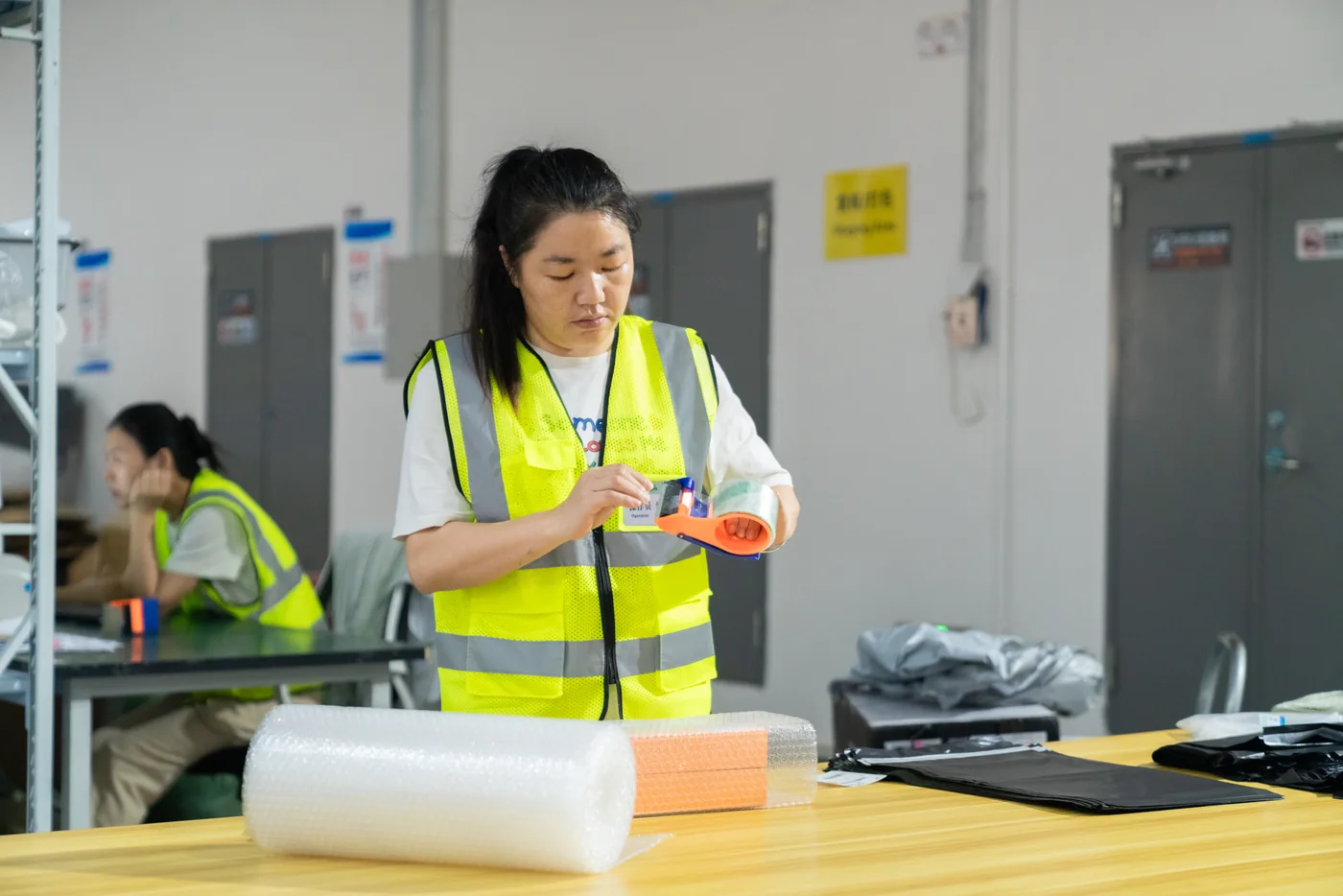
Packaging is part of the order brief. fulfillmentyx can organize branded boxes, inserts, message cards, wrapping and product sets alongside the normal pick-and-pack workflow.
The warehouse work can include repackaging, relabeling, kitting and vacuum sealing where agreed. A packing specification should show the materials, component quantities, presentation and checks required before a parcel is sealed.
For creator merchandise, gifts and limited product releases, the preparation plan should also consider the launch schedule and packaging stock. Customer-supplied materials or supplier-sourced materials need approval before use, including the rights to any branding or artwork.
A fulfillment connection needs to carry the right information in both directions. Product and order details reach the warehouse, while inventory, order status and shipment tracking return through the agreed reporting or system process.
The order-intake workflow can use API-based or file-based arrangements with bilingual coordination. The appropriate method depends on the platform, the account and the connection scope; it should be demonstrated before live orders are released.
Account support brings supplier questions, warehouse exceptions and shipping updates into one conversation. Reports and working arrangements are agreed around the products, sales channels and time zones involved.

Confirm inbound products and quantities before storage.
Organize product, variant and location information for fulfillment.
Confirm order details and handling instructions before picking.
Check labels, inserts and packaging requirements before dispatch.
Discuss shortages, damaged items or unclear requirements with the team.
Coordinate parcel handover and share the available shipping information.