What China Fulfillment Means
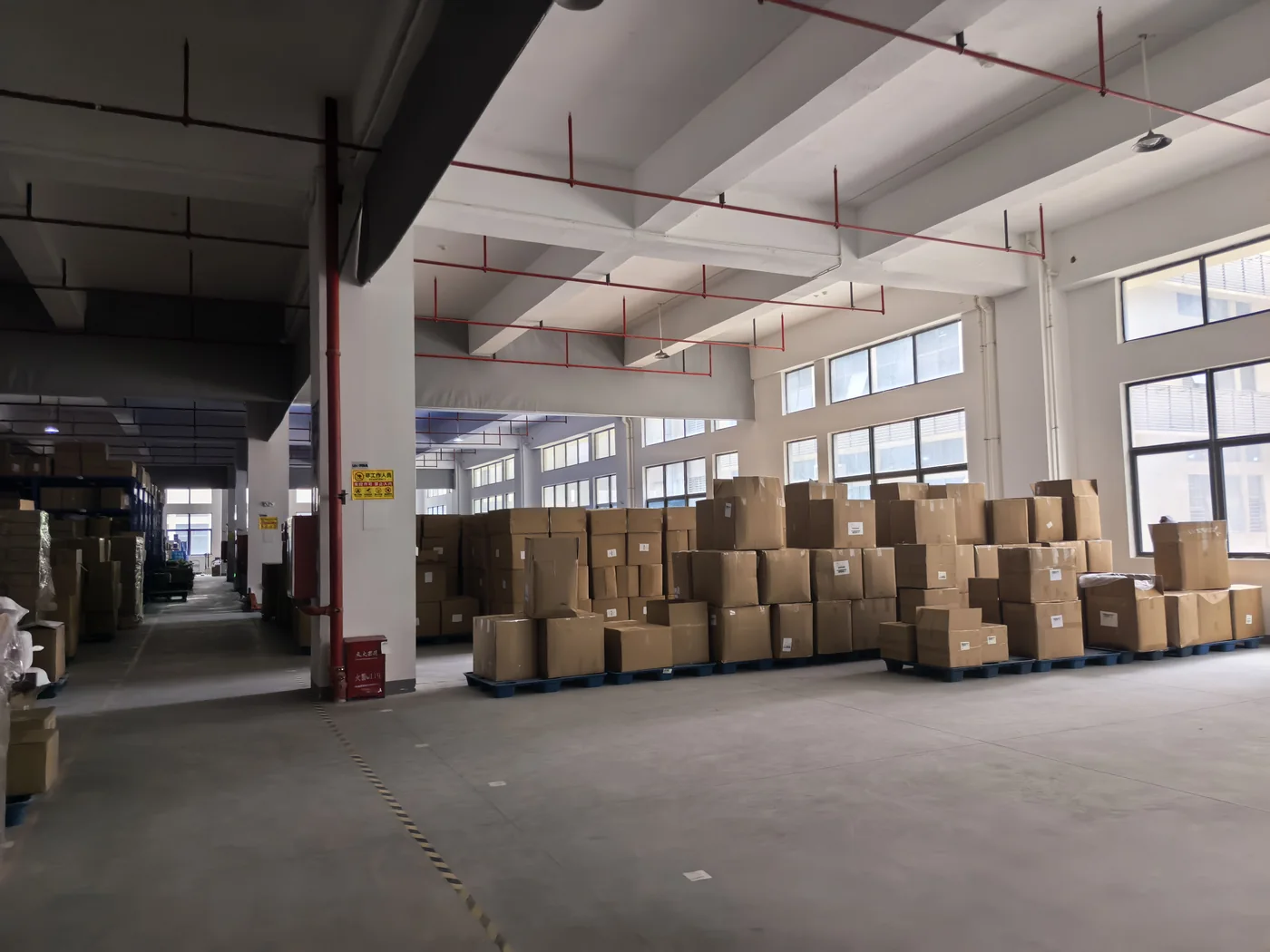
In the inventory-owned China fulfillment model, the seller buys goods and places them in a China-based warehouse. The warehouse holds stock and prepares orders as they arrive. The seller needs to plan product purchases, inbound transport and inventory availability before customer orders can be fulfilled.
This differs from a supplier-direct dropshipping arrangement in which the supplier releases a product after a sale. The ownership and payment arrangements should be explicit, because a warehouse workflow does not remove the need to fund and manage inventory.
From Production to Warehouse
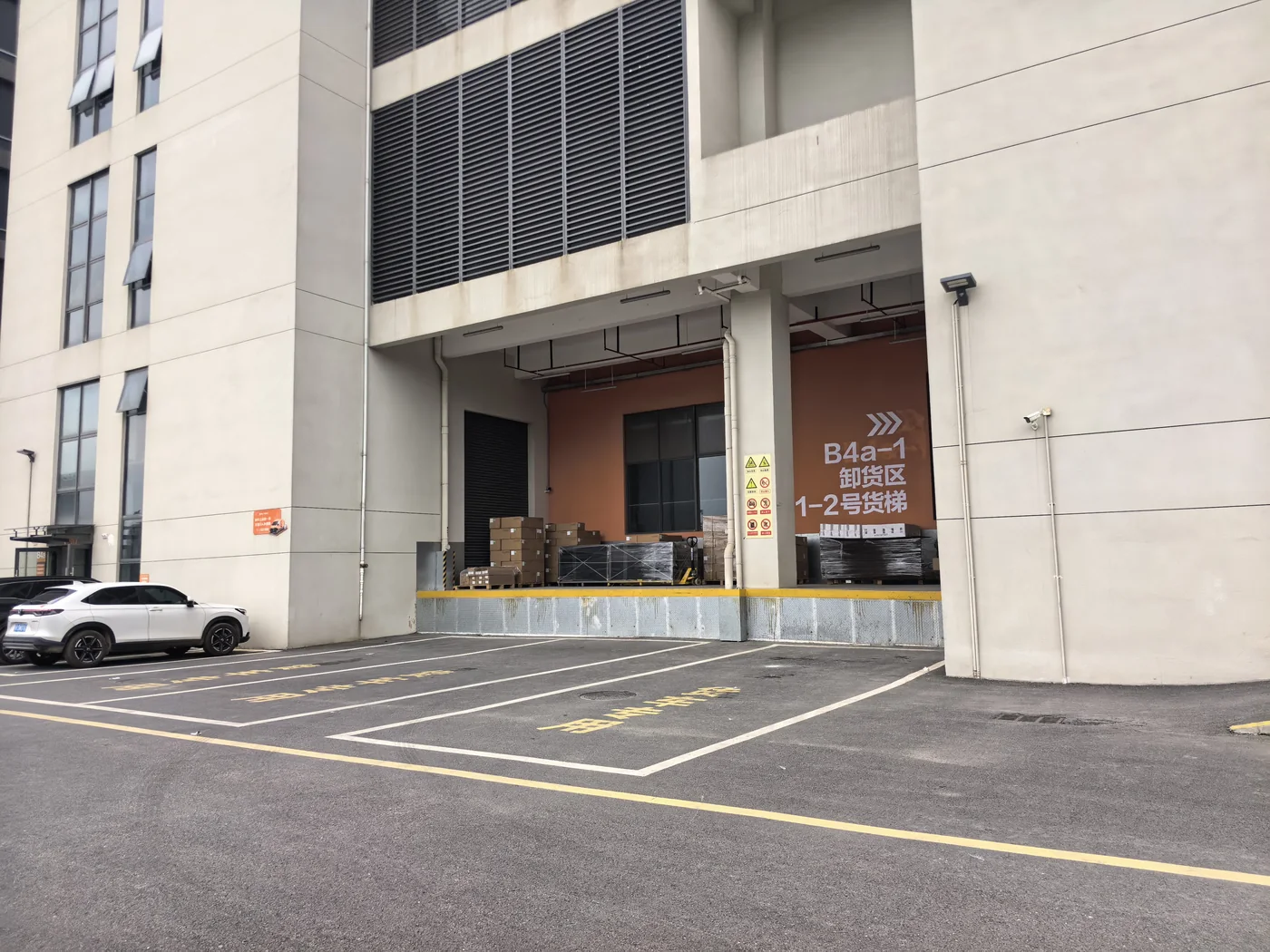
Send the packing list and SKU information before the delivery arrives. Cartons need an identifiable reference so the physical products can be matched to the expected stock. At receiving, compare quantities and visible condition, then record what is accepted and what needs a decision.
Agree any inspection, photographs, labeling or packing work separately. If there is a shortage, damaged item or packaging difference, the issue can be reported while the goods are still in China. Receiving is an important control point, but its scope should not be confused with a complete product test.
From an Online Order to Carrier Handover
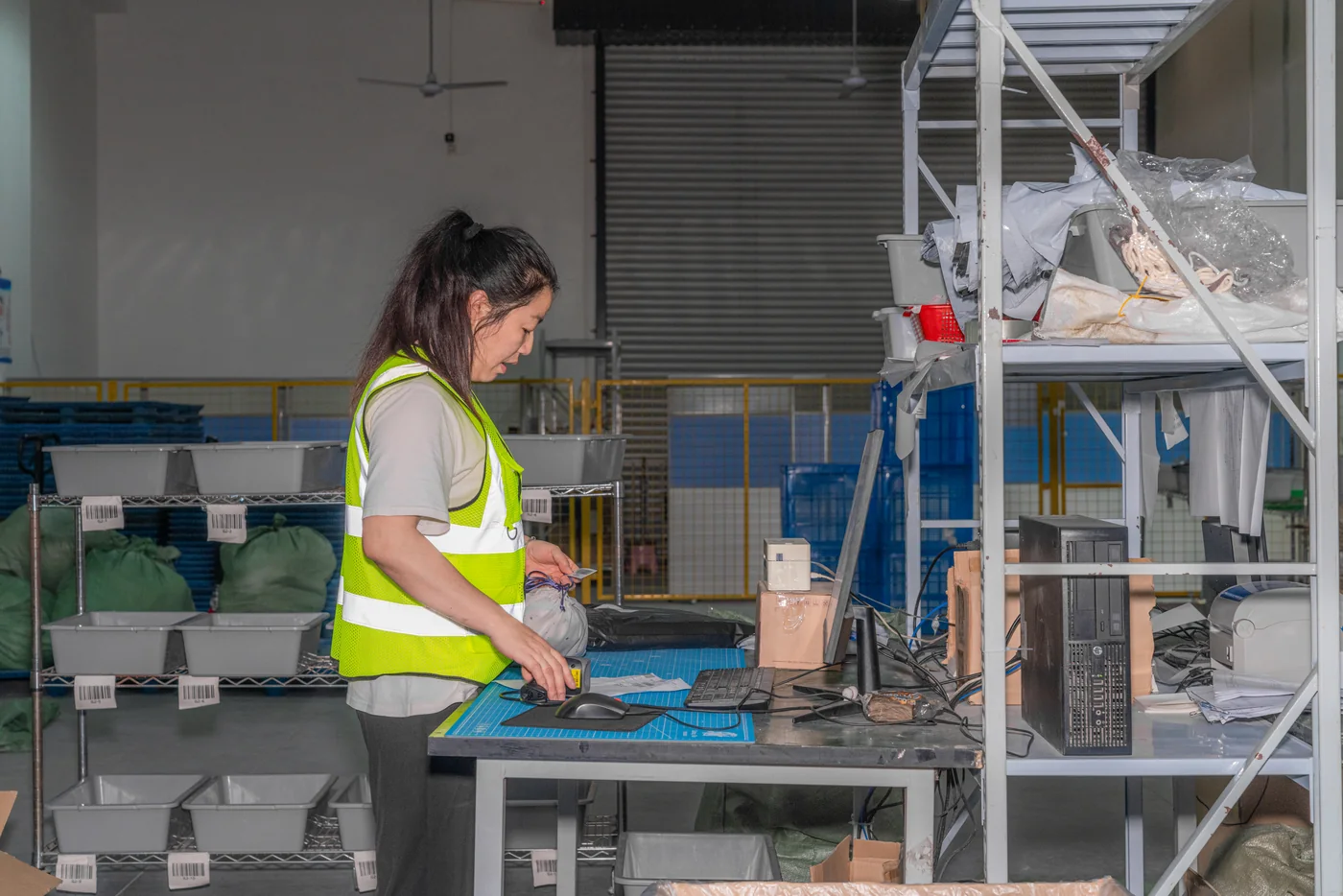
The store sends an order through the agreed connection or import process. Warehouse staff identify the stock, pick the ordered quantity, check the items and pack to the approved instruction. A shipment label and tracking reference connect the parcel with the selected delivery service.
Run a test order before sending live demand into the workflow. Check product mapping, order changes, packing materials and tracking return. Also test what happens when stock is unavailable or an instruction needs clarification.
Where the Model May Change the Cost Structure
Keeping stock near the supplier changes where receiving, preparation and storage take place. It can support different batch sizes and order streams, but the financial result depends on the actual quotation and the rest of the delivery chain.
Compare the full cost with the current setup. Include product purchases, inbound freight, receiving, storage, picking, packaging, outbound shipping, applicable destination charges and returns. Compare the same products and order profile so a low charge in one category does not hide a higher total.
Delivery Expectations, Communication and Returns
The selected route determines the customer-facing delivery plan. State the proposed delivery window clearly and review actual results by destination. A stock location near the factory and a stock location near the buyer need not support the same promise.
Confirm operational decisions in writing, particularly SKU mappings and packaging changes. Time-zone arrangements and exception ownership should be agreed before a problem occurs. A smooth initial conversation does not establish the day-to-day working process.
Plan the reverse journey too. Decide where returns go, how the goods are checked and who approves a refund, replacement or other disposition. Compare those options for the actual product rather than assuming every return should travel back to China.
Questions for a Potential Fulfillment Partner
Ask where the relevant work happens, how incoming stock is recorded and which tasks are included. Have the provider show the order workflow for the systems the store will use. Request a sample fee schedule and the proposed reporting process.
Review written terms for storage, handling, changes to the work and the release of inventory if the relationship ends. Any unclear minimum, charge or responsibility should be resolved before the trial stock arrives.
- Receiving and inspection procedures
- Store connection and product mapping
- Packing and shipment instructions
- Itemized charges and minimums
- Reporting and exception ownership
- Inventory release and exit process
Build a Trial Before Expanding
Choose a limited batch and a representative set of orders. Keep a landed-cost worksheet and record dispatch events, delivery outcomes, damage or product complaints and the time spent resolving exceptions.
Compare the results with the current fulfillment baseline. Expand only where the trial supports the decision, and agree a corrective plan for issues that remain. China fulfillment is an operating option to test, rather than a guaranteed saving.
Frequently asked questions
Does China fulfillment mean I do not need to buy inventory?
In the inventory-owned model described here, the seller funds the products before they are sold. Confirm the ownership and payment arrangement with the supplier and warehouse rather than assuming it matches dropshipping.
How should I calculate the cost per order?
Use the complete costs for the same period and order group, including warehouse work, packaging, transport and exceptions. Keep inventory investment and the returns plan visible alongside the fulfillment charges.
Can I keep part of the catalog in another warehouse?
Different stock pools or order streams can be compared as part of the operating plan. Check the product mapping, allocation rules and customer promise for each location before combining them.

.png)