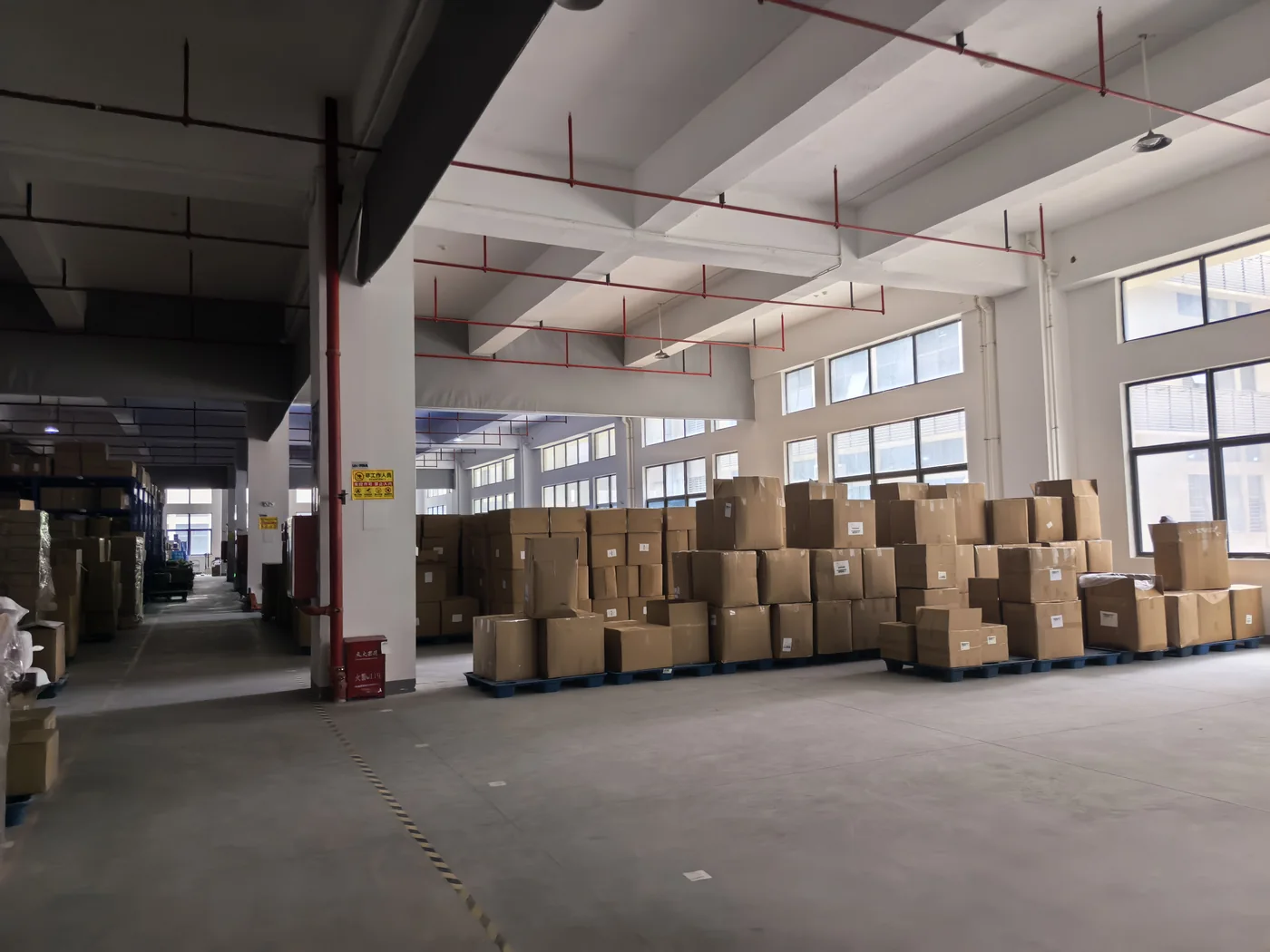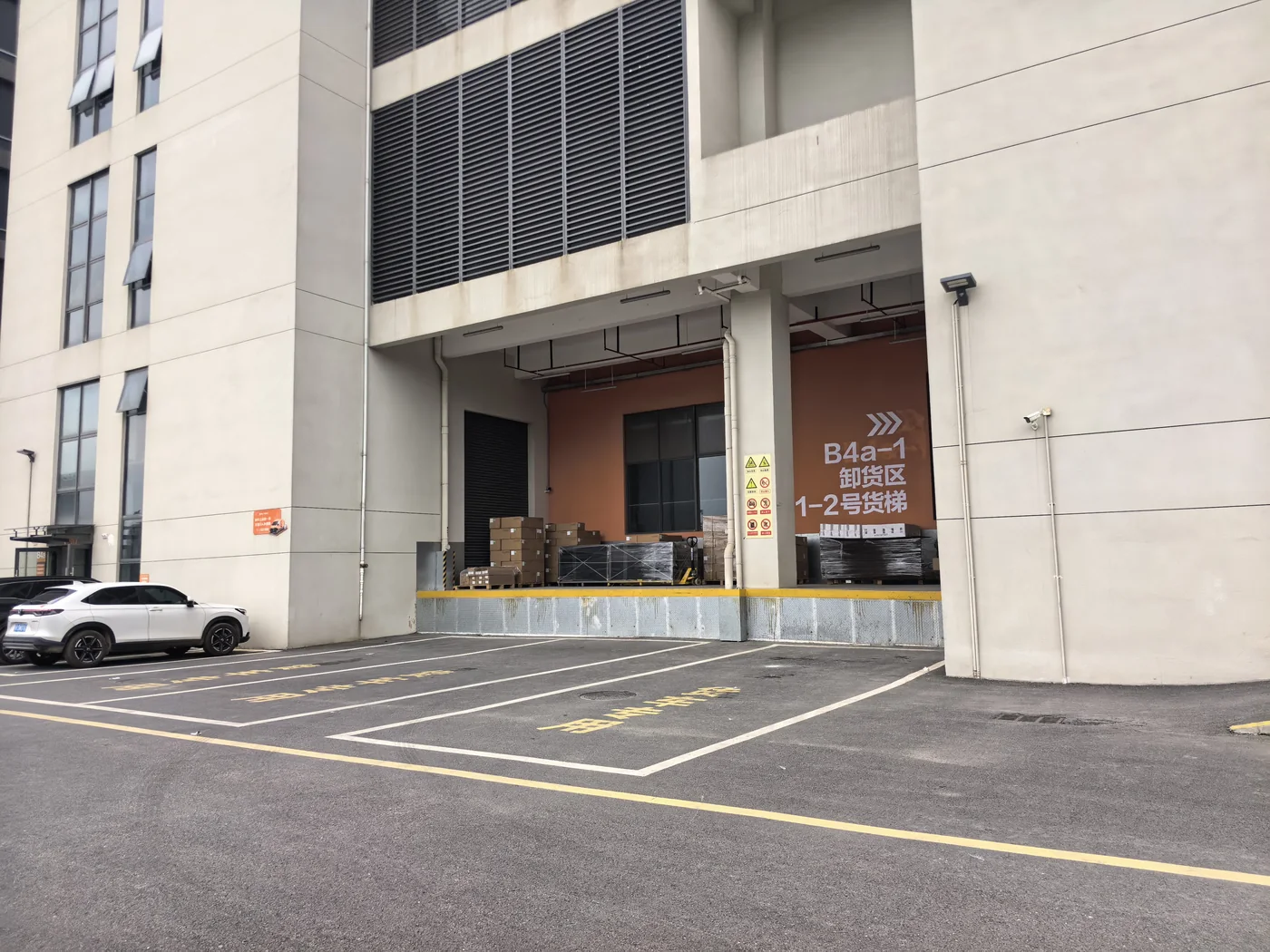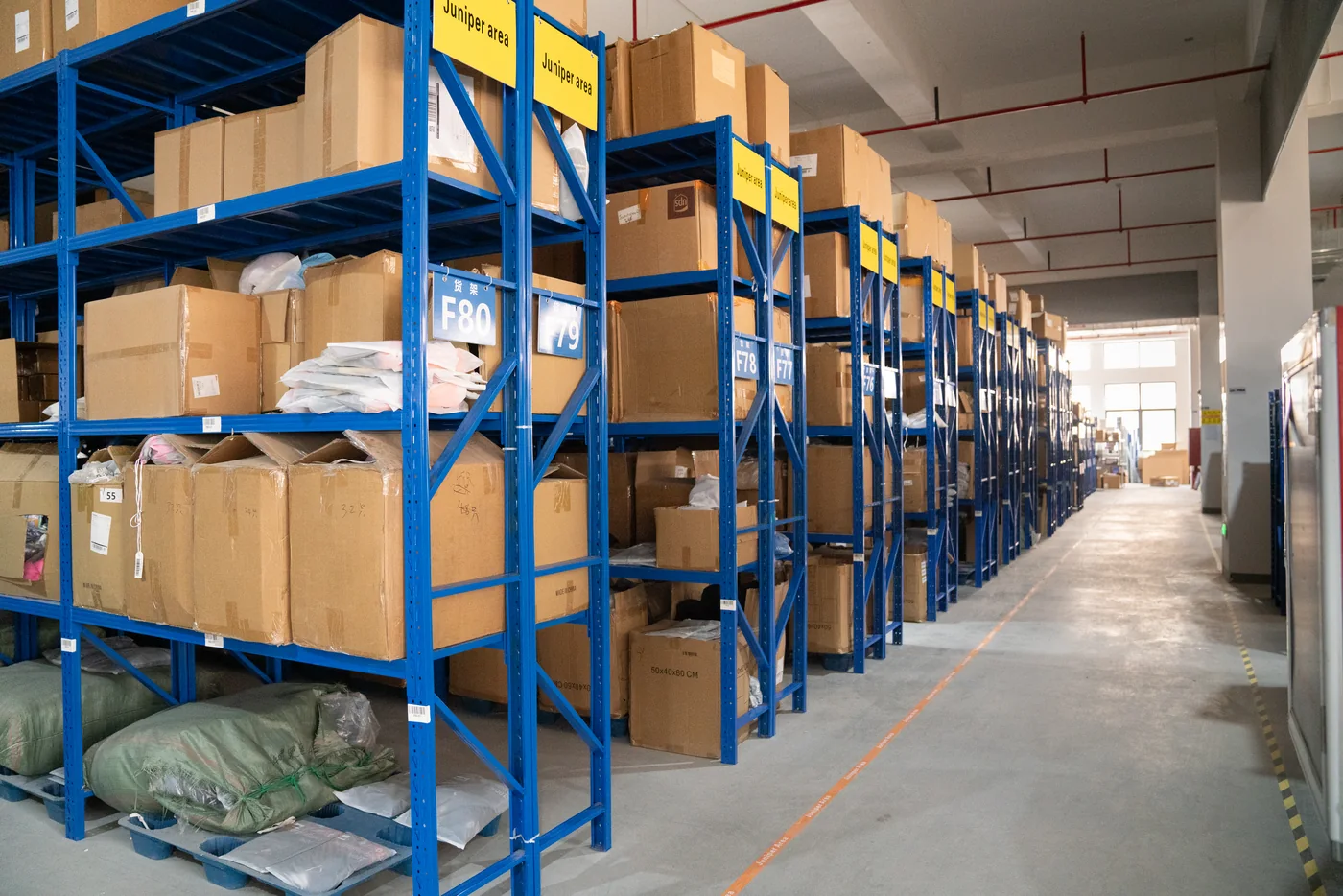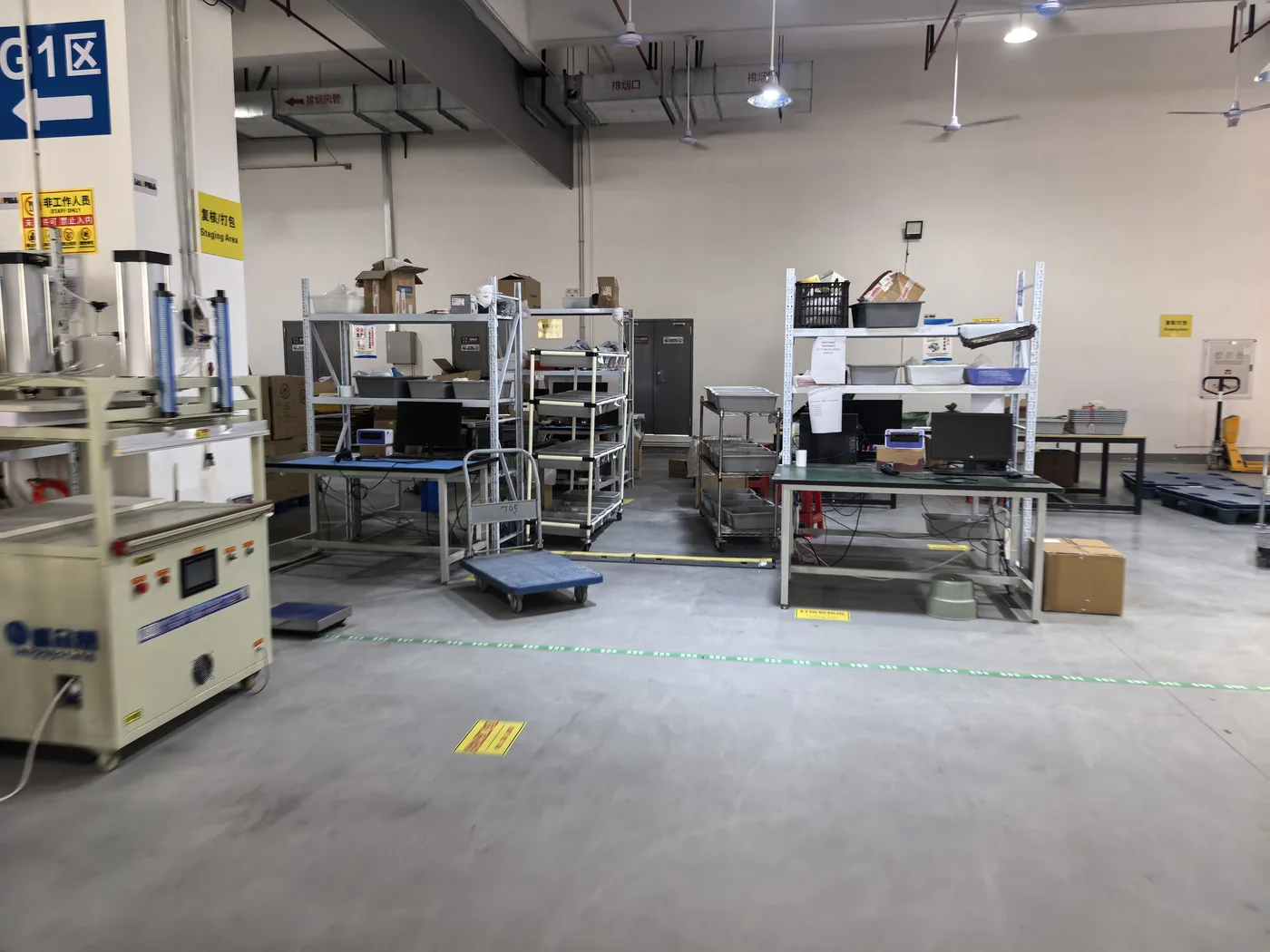
At a glance
A Shopify order is paid, the customer changes the delivery address and the parcel has already reached the packing table. That small overlap is why Shopify fulfillment from China needs a tested order workflow. Agree how orders enter the warehouse, when changes stop and how tracking returns before switching on live fulfillment.
Map the store variant to the warehouse SKU
Build a product file that connects each Shopify variant with the physical item the warehouse receives. Include its SKU, barcode where used, product description, variant attributes and packing instruction. Distinct colors and sizes need distinct identities, even when their product photographs look similar.
The warehouse should be able to identify the correct unit without opening the storefront. A clear label and an approved reference photograph help resolve a mismatch between a supplier's description and the store's variant name.
In a planning example, a black medium shirt and a black large shirt arrive in identical outer cartons. The receiving record and unit identity must distinguish them before stock becomes available. An order connection cannot repair an ambiguous physical SKU.
Choose the connection that is actually available
Shopify supports different fulfillment arrangements, including third-party applications and custom fulfillment services. These arrangements do not all exchange the same information. An emailed request, a file import and an integrated application need different procedures for acceptance, stock updates and tracking.
Ask fulfillmentyx to confirm the connection method for the actual store and account. Platform coverage does not establish that every integration is native or that stock updates are instantaneous. Record the expected update frequency and the fallback procedure for interrupted imports.
Test how duplicate orders are detected. The same store order might be retried after a network interruption, but it should not become a second warehouse shipment. Keep the Shopify reference attached to the warehouse order and the parcel record.
Decide when an order is ready for release
Paid, accepted for fulfillment, picked and dispatched are different events. Define the warehouse release condition and decide which orders require a hold. Address queries, stock discrepancies and special packing instructions should have an owner who can resolve them.
For address changes, agree the latest operating stage at which a change can be accepted. Canceling or editing an order in Shopify does not by itself prove that a third-party warehouse has stopped work. Wait for an acknowledged change before telling the customer the parcel has been corrected.
Keep customer communications tied to the event that occurred. A shipping label can exist before a carrier collects the parcel. The store's confirmation wording and tracking updates should reflect the agreed handover process.
Run a small set of test orders
Use representative products and destinations, then check the actual package and returned data. A successful import alone leaves most of the order flow untested.
- A single-SKU order with standard packaging
- Two variants of the same product in one order
- An order with an insert or branded material
- An address change submitted before release
- A stock shortage or held order requiring a decision
For each test, retain the order reference, picked SKUs, packing result, dispatch event and tracking return. Resolve exceptions before increasing volume. Tests that expose an error are useful if they lead to a clearer operating instruction.
Keep the first live week easy to inspect
Start with a defined catalog and review the order queue with the account contact. Compare accepted orders with released parcels, and check whether the store's stock display follows the agreed inventory state. Separate actual dispatch issues from delays in the return of tracking information.
fulfillmentyx connects China stock, packing and international shipping within an agreed account workflow. The setup discussion should include both the store data and the physical warehouse instructions. Passing one test order is a starting point; a repeatable process is the launch requirement.
Frequently asked questions
Do I need to move every Shopify product to one warehouse?
No. Decide which products and order destinations fit the proposed arrangement. If the store uses several fulfillment locations, test how orders are assigned and how stock is shown for each location. Check split orders explicitly so a customer does not receive an unexpected partial shipment.
What information should I send with a branded insert?
Provide its identifier, the orders that qualify, the quantity per package and an approved packing example. State what to do if insert stock runs out. Treat promotional materials as inventory that needs receiving and replenishment, rather than assume a packing instruction creates an unlimited supply.
Can a canceled Shopify order still be shipped?
It can if warehouse work has progressed and the cancellation has not been accepted. Agree an acknowledgement process with the fulfillment provider. Where the parcel has already been handed over, ask what options remain for that service before promising a cancellation or address correction to the customer.

.png)