At a glance
A warehouse cycle count checks selected inventory against the recorded balance. For a China fulfillment account, agree which SKUs and locations will be counted, how movements will be controlled during the count, and who can approve an adjustment. A corrected number is useful only when the reason for the difference is also understood.
Count a defined stock population
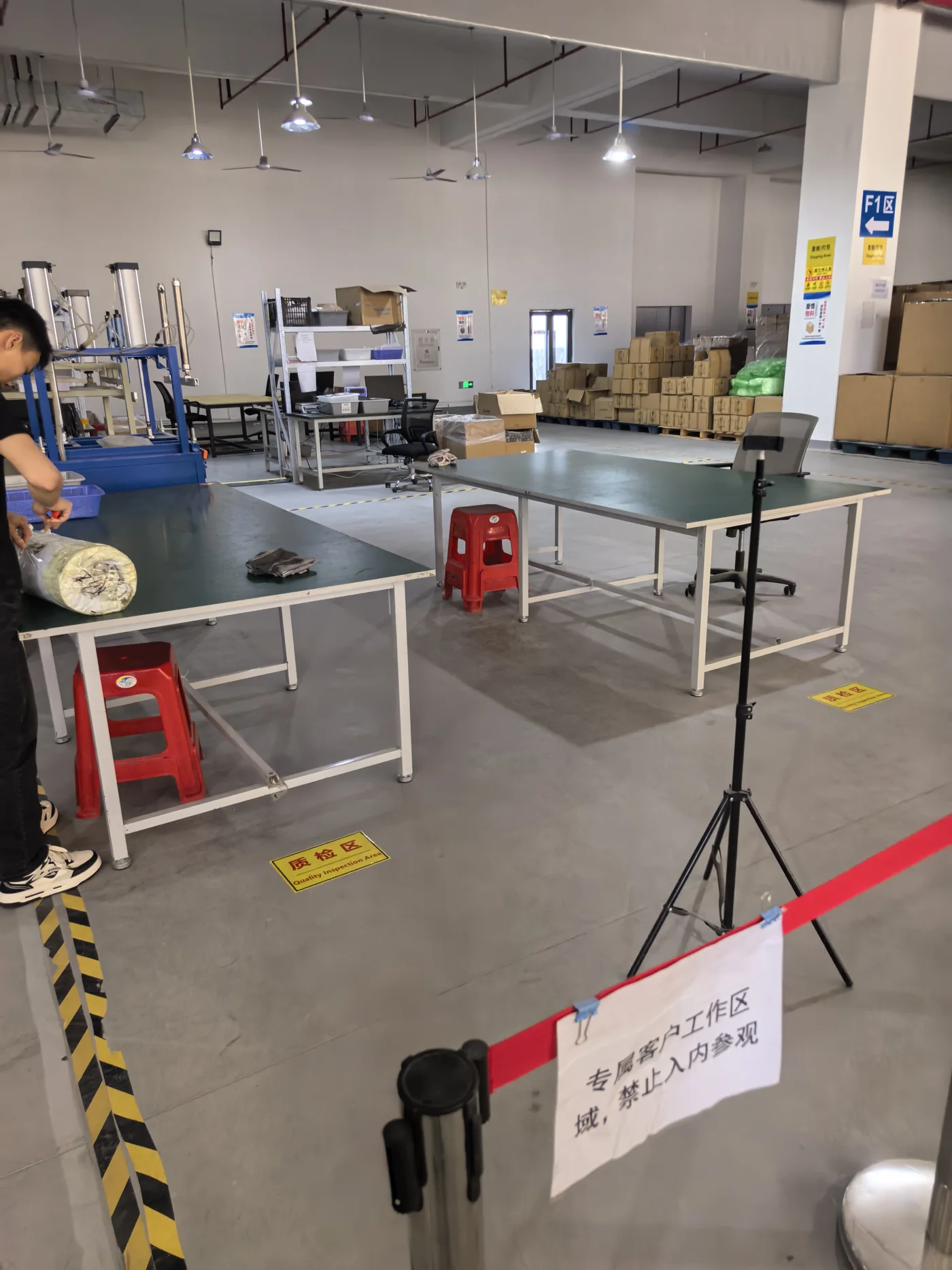
Start with a warehouse, location, SKU and stock status. Mixing saleable goods with inspection holds can produce a convincing total while leaving the store with the wrong available balance. State whether the work includes open cartons, packed orders, supplier returns and goods awaiting identification.
Choose the counting frequency according to the consequence of an error. Fast-moving variants, complex kits and goods with repeated receiving differences may justify closer attention than stable unopened reserve stock. Agree the scope and fee with the warehouse; a cycle count is not automatically included in every storage agreement.
Keep movements visible during counting
A count needs a clear reference time. Either pause movements in the selected locations or record every receipt, pick and relocation that occurs while the work is underway. Otherwise, a correct pick can look like missing inventory when two people count at different moments.
For a hypothetical example, a location records 50 units at the start. Three are picked before the counter reaches the shelf. A physical count of 47 agrees with that recorded movement; changing the opening balance to 47 would remove three units twice.
The count record should include its timestamp, operator, location, units observed and movement references. Retain the first result when a recount is requested rather than replacing it without an explanation.
Separate physical units from available units
Shopify distinguishes inventory states, including available, committed and unavailable stock. Use the platform's current definitions when mapping warehouse statuses. A warehouse report and a storefront can legitimately show different figures if one includes held or reserved goods and the other shows only units available to sell.
| Record | Question it should answer |
|---|---|
| Physical count | How many units are present in the defined locations? |
| Reserved stock | Which present units are assigned to orders or another purpose? |
| Held stock | Which units await inspection or a decision? |
| Available balance | Which accepted units may be offered for new orders? |
Document the mapping rather than assuming every system uses identical status names. Investigate both the stock record and the synchronization history when the warehouse balance is correct but the storefront is not.
Investigate before approving an adjustment
Look for a wrong location, a similar SKU, a mixed carton, an unrecorded receipt or a kit component counted under its parent. Ask for a recount when the result conflicts with recent documented movements. High-value differences may require an account decision before further dispatch.
Keep the original system balance, confirmed count, adjustment quantity, reason and approving person in one record. Adjustments without reasons make future investigations harder and can conceal recurring picking or receiving problems.
Turn repeated differences into a change
Repeated errors around the same two clothing sizes may call for clearer bin separation. A difference after every kit-building run may indicate that component deductions are missing. The response should address the identifiable process rather than simply increase counting everywhere.
fulfillmentyx provides China warehousing and inventory coordination. Share your SKU list, current stock export and known differences when requesting a count plan. Confirm the exact reporting and approval process before the first count.
Frequently asked questions
Is a cycle count the same as a full stocktake?
No. A cycle count covers a defined portion of stock. A full stocktake covers the agreed inventory population at a particular time. The movement controls and reconciliation still need to be specified for either approach.
Should held inventory appear as available online?
Only if it has been released under the agreed process. Physical presence alone does not establish that a unit is suitable or available for a new customer order.
What should I send to request a count?
Send the warehouse account, SKU references, locations if known, current recorded balances, stock statuses and the reason for the request. Identify any orders that must be protected while differences are investigated.

.png)