What a Global Supply Chain Is
A global supply chain is the network of people and businesses that source, make and move a product across countries. It connects materials and components with production, transport, storage and the final buyer.
The word chain describes the handovers between those tasks. A finished-product label identifies one part of the journey, but it does not necessarily show every source of the materials and components used.
Follow an Everyday Product Through the Network
An electronic product provides a useful illustration. Materials and components are supplied to manufacturers, parts are assembled, and the finished goods are packed for the next movement. The specific countries and businesses differ by product and need evidence before they are named.
After production, the goods move through the chosen transport route and receiving locations. Warehouses may hold bulk stock or prepare smaller orders, and a final-delivery service completes the journey to the store or customer. Each stage needs information as well as the physical goods.
Understand the Different Participants
Suppliers provide materials, parts or finished goods. Manufacturers carry out the production work. A freight forwarder arranges a transport scope, while other specialists may assist with the product and import requirements that apply to a shipment.
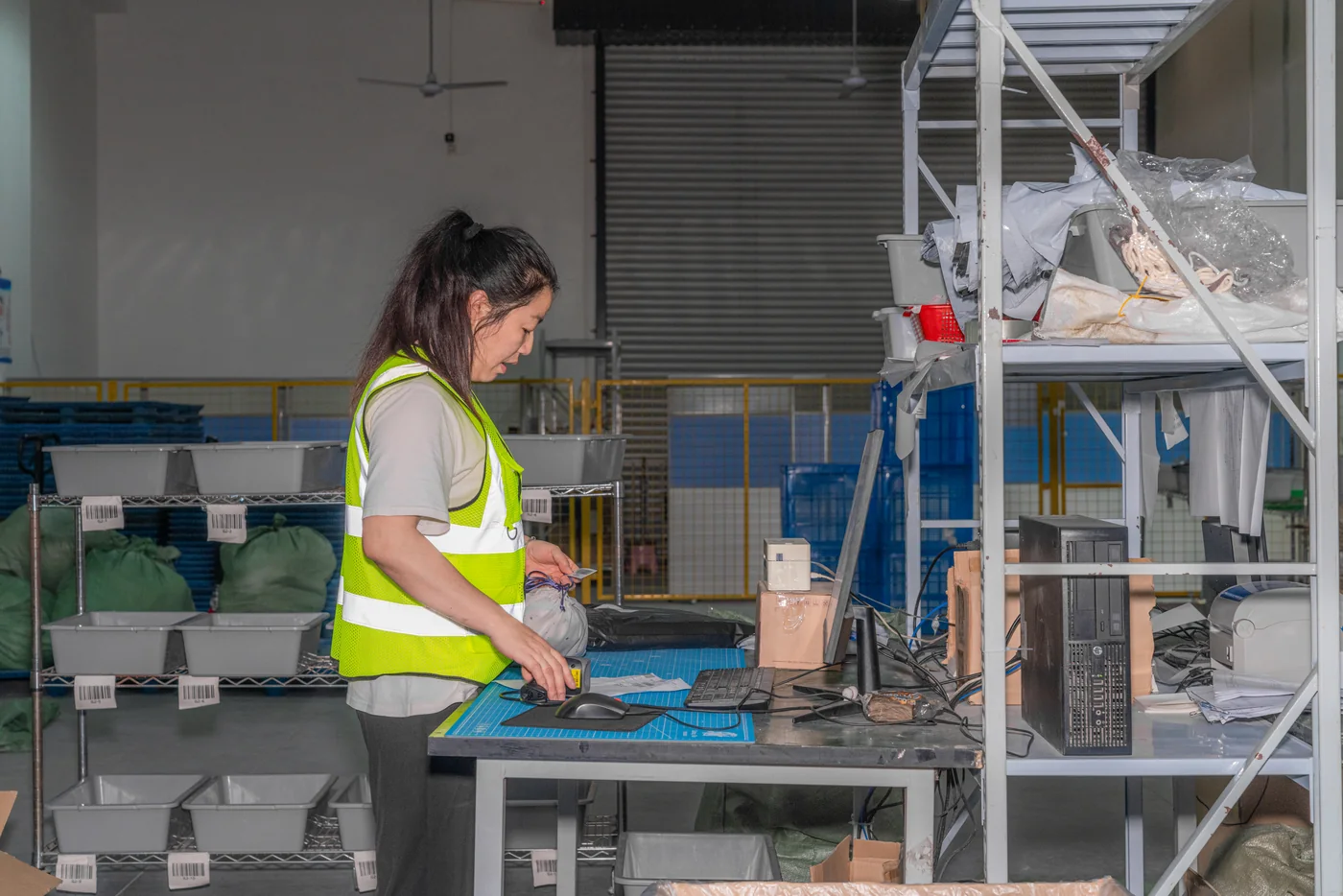
Warehouses and fulfillment operations receive, record, store and release goods according to their role. Last-mile carriers complete the final transport stage. One business may coordinate several of these tasks, but the responsibilities still need to be clear at each handover.
Why a Disruption Can Travel Through the Chain
Weather, a factory interruption, a transport problem or an unexpected change in demand can affect the availability of goods farther along the network. When the next stage depends on an interrupted input, the problem can move beyond the original location.
A delay can also change costs through additional handling, storage or an alternative transport plan. The effect on a buyer’s price or delivery depends on the stock and options available, so a distant event should not be treated as proof of one fixed outcome.
Ways to Review Resilience
A business can review alternative suppliers, routes and stock locations rather than relying on one unexamined path. Alternatives need to be qualified for the product and operating requirements; having another name on a list is not the same as having a working backup.
Inventory buffers and production closer to the customer are other planning options, with their own costs and constraints. Forecasting and shared data can support the review, but they do not remove uncertainty or guarantee that an interruption will be avoided.
What the Network Means for a Buyer
Availability, waiting time and the total purchase cost can reflect work far beyond the final seller. Compare the product that is offered, the confirmed availability and the delivery arrangement rather than judging the purchase only by a price tag.
A substitute product or a different delivery date may be workable for one purchase and unsuitable for another. Understanding the important dependencies helps a buyer ask more useful questions when an order is delayed.
Ask Simple Questions About the Fragile Links
Look for dependencies that could interrupt the next step, such as one unqualified supplier, one route or one component with no approved alternative. The number of handovers matters, but the quality of the alternatives and coordination matters too.
Use the questions below to structure a discussion. They are a starting point for investigation, not a numerical risk score or proof that a particular supply chain will fail.
- Where do the critical goods or components come from?
- Which handovers and dependencies matter to the next step?
- What qualified alternatives are available?
Make the Network Easier to See
Choose a product and identify the production, transport and delivery information that is actually available. Distinguish what the label or supplier confirms from what remains unknown.
For a business purchase, keep those details with the product and shipment records. A clearer picture of the chain supports better questions about stock, preparation and delivery without pretending every upstream link is already known.
Frequently asked questions
Does a country-of-origin label show the entire supply chain?
It provides one piece of product information. Materials, components, production and delivery may involve different participants, so the complete chain needs more evidence than the final label alone.
Why can a supplier problem affect a later delivery?
Later tasks may depend on the delayed goods or information. The effect depends on available stock, qualified alternatives and how the handovers are coordinated.
What makes an alternative supplier useful?
It needs to be qualified for the actual specification, capacity and delivery requirements. A candidate name alone does not establish that the alternative can take over the work.

.png)