

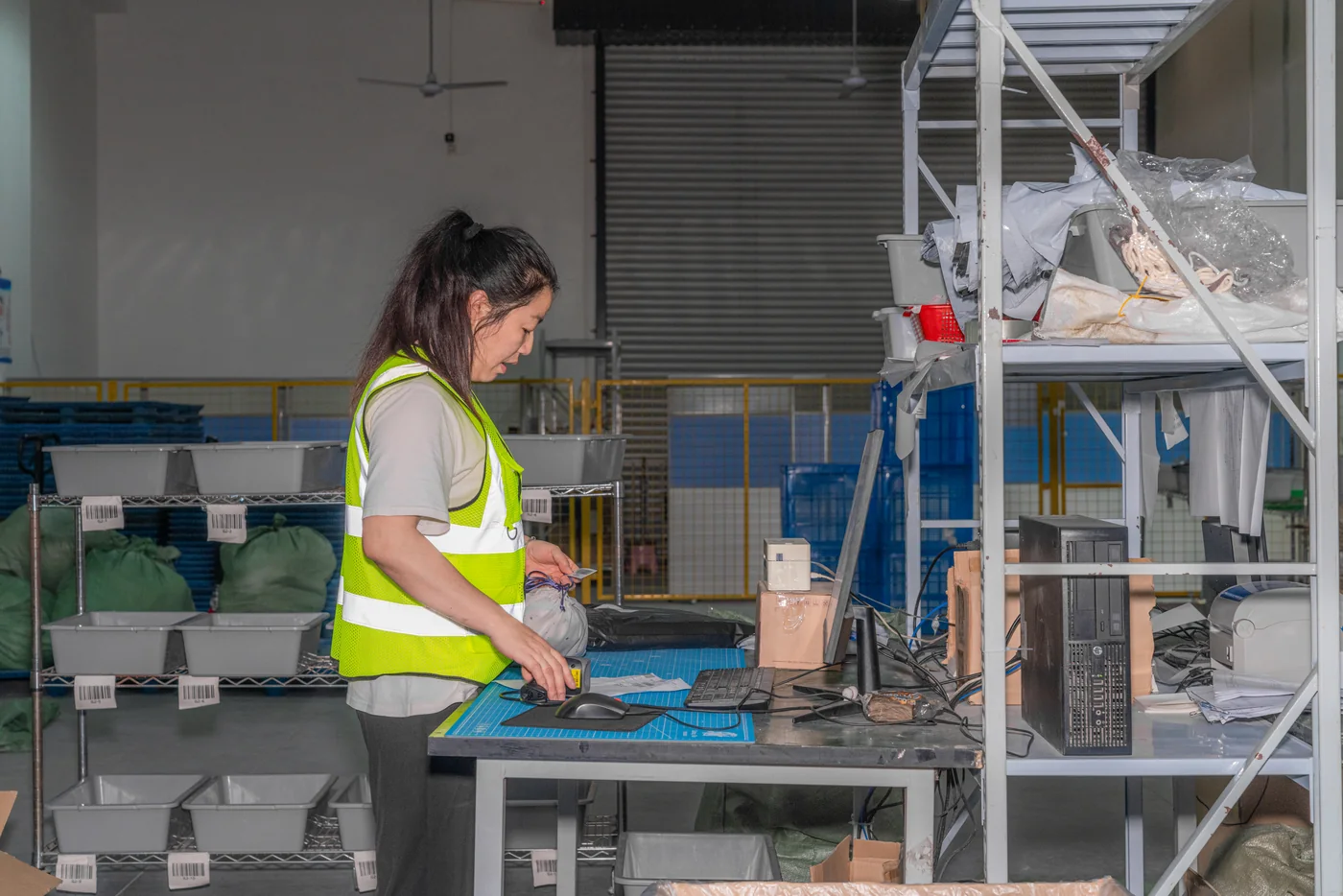
What Dropshipping Fulfillment Means
In a supplier-direct dropshipping arrangement, the store takes the customer’s order and another party prepares and ships the product. The store manages the sale and customer communication while the supplier or service provider performs the agreed physical work.
The arrangement changes the merchant’s inventory and operating responsibilities, but it does not remove the customer promise. Confirm product availability, payment, packaging, dispatch and returns before accepting the first order.
Follow the Order and Payment Flow
The customer places an order with the store. Order details reach the supplier or fulfillment operation through the agreed connection or manual process, and the commercial arrangement determines when the supplier is paid.
The fulfillment party identifies the product, packs it, prepares the label and hands it to the chosen service. The store needs the tracking and exception information required to keep the buyer informed. Test the flow from the storefront rather than examining only a supplier portal.
Distinguish Supplier-Direct and Stocked-Warehouse Models
Supplier-direct shipping releases goods from the supplier’s stock after an order. A stocked 3PL arrangement instead holds an agreed inventory pool for the merchant and prepares orders from that stock. Ownership, funding and the level of packaging control need to be clear.
A smaller local fulfillment operation is another possible stock location, but it does not make inventory ownership disappear. Compare the actual location, stock commitment, service scope and delivery route rather than using all of these models as interchangeable names for dropshipping.
Evaluate the Daily Operating Standards
Ask how dispatch is measured, how product availability is updated and what tracking reaches the store. Review order accuracy, support escalation and the process for a missing or damaged shipment.
The returns route needs the same attention. Confirm the return destination, approval process, inspection and final disposition. A forward test order alone does not show what the business will do when the customer needs help.
Compare the Complete Cost and Written Terms
Collect the product, shipping, handling, packaging, connection, storage and return charges that apply to the proposed arrangement. Also identify minimum purchases, billing minimums and SKU limits where they exist.
Use the complete cost per order when comparing suppliers. Keep the cost of payment processing and expected exceptions visible alongside the supplier invoice. A lower product price cannot establish the better option without the rest of the work.
Match Delivery Expectations to the Actual Service
Different products and buyers have different delivery needs. Use the proposed route and observed performance to set a customer-facing delivery window, rather than adopting an unsupported universal expectation for every buyer.
A service with a higher label charge may have different effects on customer questions, replacements and returns. Compare those outcomes using the store’s own test orders and operating results; do not assume a fixed increase in shipping spend will pay for itself.
Test the Forward and Reverse Workflows
Run representative orders and record the product received, packaging, dispatch events, tracking and delivery result. Include a question or exception so the test reveals how support works after the order is placed.
Then walk through the return and damage procedure. Confirm who decides, what evidence is needed and where the goods go. Keep an alternative supply plan and clear customer communication instead of leaving every after-sales decision to the supplier.
Build a Working Scorecard Before Scaling
Choose the factors that matter to the store and compare candidates using the same brief. Product availability, packing, dispatch, tracking, complete cost and issue resolution should be supported by evidence from the trial.
Expand the operation after the process works for the tested products and routes. Continue monitoring results as demand and the product mix change; a successful initial order is a starting point for the relationship.
Frequently asked questions
Is dropshipping the same as storing my own inventory with a 3PL?
No. Supplier-direct dropshipping and a merchant-funded warehouse stock pool can have different ownership and payment arrangements. Confirm those arrangements and the operating scope before choosing the model.
What should I look for beyond the product price?
Review availability, packaging, complete handling and shipping charges, tracking, support and the return process. These determine the actual order experience and cost.
How do I test the return process?
Ask the provider to walk through the destination, approval, evidence, inspection and disposition of a return. Confirm the applicable charges and responsibilities in writing.

.png)
