At a glance
A clothing and toy order can be correct in quantity and still arrive incomplete. The garment may be the wrong variant, a small accessory may be missing or the shipping address may belong to an earlier customer message. A useful fulfillment check follows the whole order, from product mapping to the final delivery label.
Read the order as a complete package
Identify what the customer bought and what the product requires to be complete. A toy with several supplied components needs a different instruction from a sealed single-item product. A gift set may also contain a garment variant, a card and presentation packaging.
Keep the component list specific to the product version. Similar-looking editions can contain different accessories. The warehouse needs an approved reference that distinguishes a complete set from an assortment of plausible parts.
For a planning example, a parcel contains a child's shirt and a boxed toy. The shirt's size check, the toy's completeness check and the package's protection check are separate tasks. Passing one does not establish that the others have happened.
Put receiving discrepancies before order release
Count and identify incoming items against the supplier's packing list. If an accessory is missing from an agreed inspection, record the affected stock and ask for instructions before the goods are released to customer orders.
Product safety and legal compliance need a separate, product-specific review by the responsible parties. Receiving, visual checks and protective packing do not replace applicable testing or certification. Give the warehouse any approved handling or packaging requirements that follow from that review.
Avoid mixing an uncertain product revision with accepted stock under the same identity. A clear hold record lets the merchant resolve the difference while customer orders continue using confirmed inventory.
Confirm which address version is final
Order details can change between purchase and dispatch. Agree which system supplies the final address, how a correction is acknowledged and when work has progressed too far to apply a change. An email request should not silently compete with an older imported order file.
Check the fields required by the selected service and destination. Where information is incomplete, place the order in an exception queue rather than invent a missing value. The account owner should know which customer contact or correction is needed.
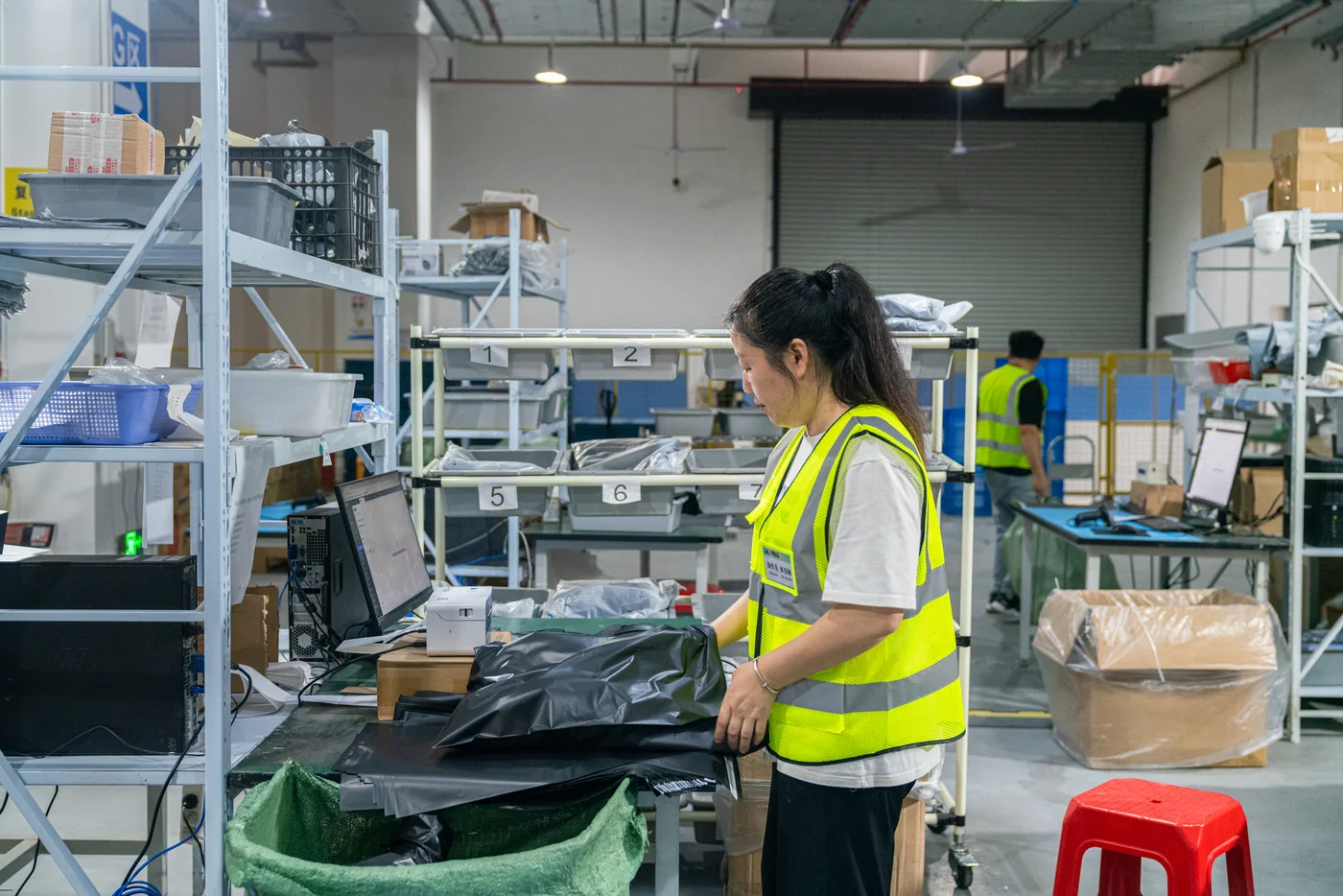
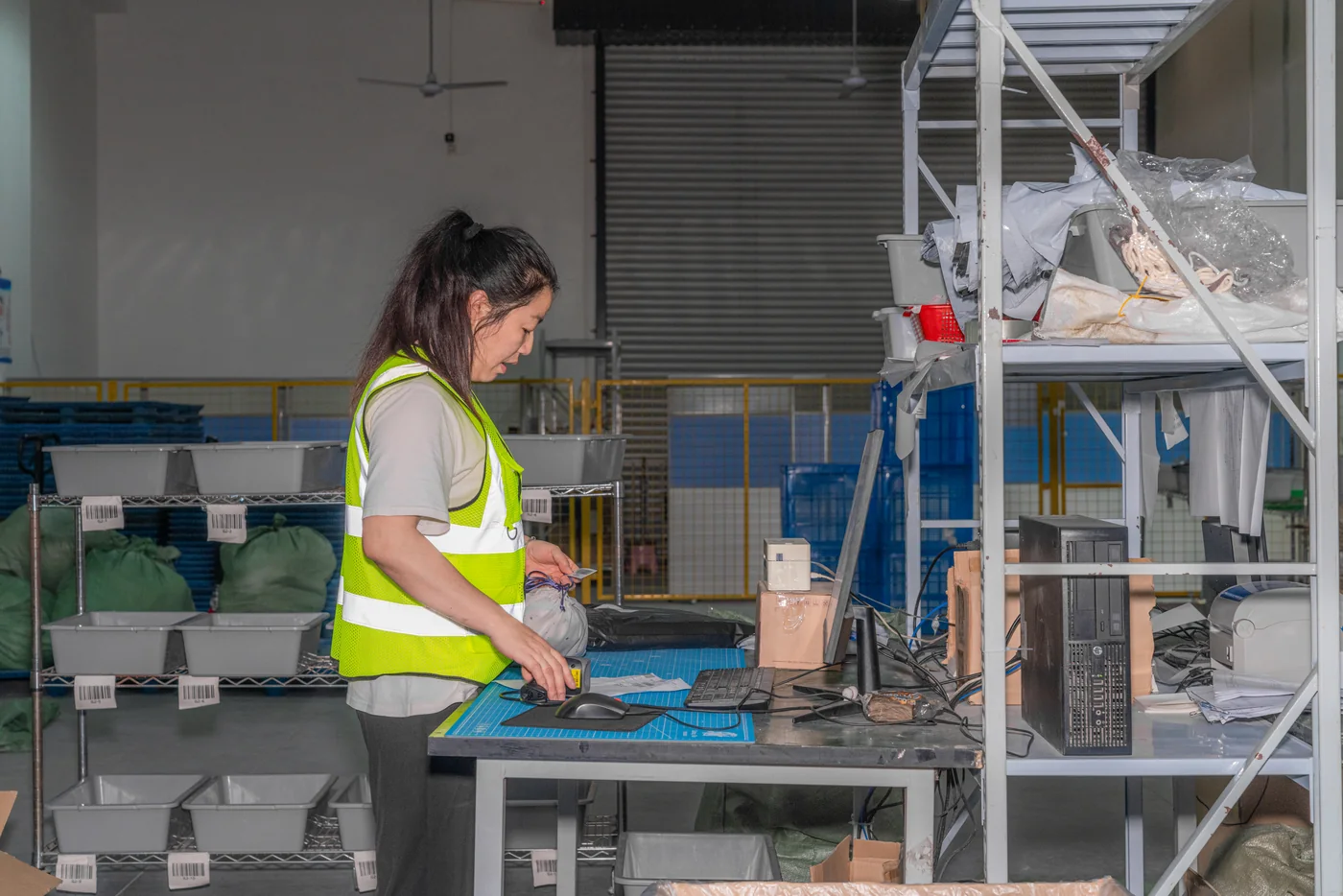
Megan.T's published customer feedback concerns a Belgium-based Shopify operation selling clothing and toys. It reports better picking and addressing compared with a previous arrangement. Use those two checkpoints in the operating brief, with a record of which item was picked and which delivery address was approved.
Pack the mixed contents as one shipment
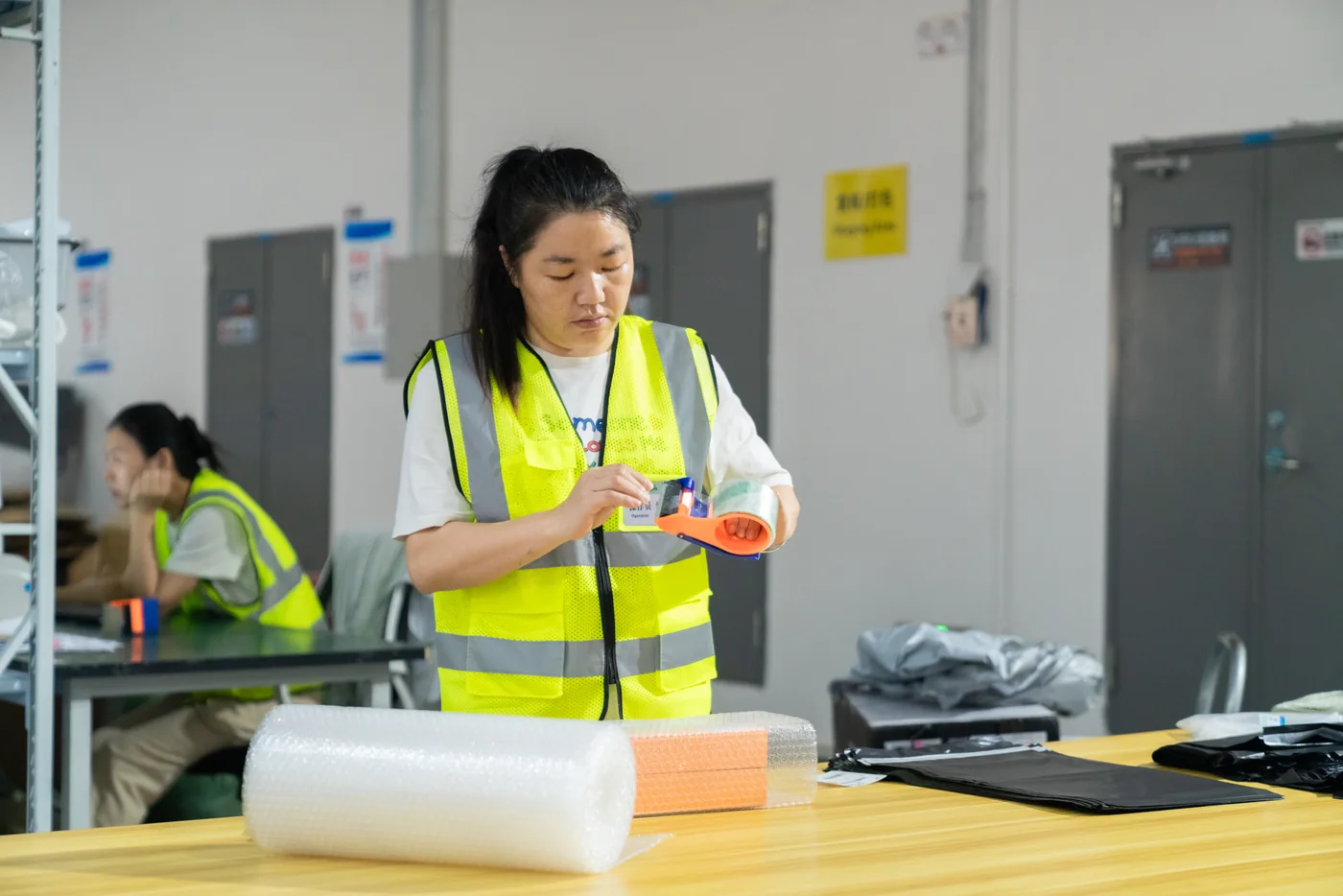
Use the agreed protection for each item and check how the items sit together. A rigid toy box can mark soft clothing packaging during movement. A loose accessory can be overlooked if the packing instruction only names the main products.
Record the package dimensions after the order is packed. A supplier carton size is not necessarily the final customer parcel size. The completed parcel needs the correct transport label as well as the correct contents.
Review complaints against the original evidence
Keep the customer order reference, picked SKU information, packing instruction version and dispatch record together. Where photographs are part of the agreed work, define when they are taken and what they show. A photograph of a closed parcel cannot establish every component inside it.
fulfillmentyx can coordinate the receiving, stock and packing steps for an agreed clothing and toy order profile. Send representative orders with the enquiry, including the combination that is hardest to pack or identify. A trial built around that order gives more useful evidence than testing only the simplest parcel.
Frequently asked questions
Should small accessories have their own stock reference?
Use an identifiable component record when the accessory must be counted, replenished or allocated separately. If it is permanently sealed inside the finished product, the inspection arrangement may be different. The important point is that the merchant and warehouse agree how completeness will be established.
Can a shipping label be corrected after it is printed?
Ask which stage the parcel has reached and whether the service permits a correction. A warehouse may still be able to replace an unused label, while a handed-over parcel may require carrier intervention. Wait for confirmation of the actual change before assuring the customer that it is complete.
What records help investigate a missing-item complaint?
Start with the original order, SKU and component references, the approved packing instruction and the dispatch record. Add any inspection or packing evidence that was actually captured. Keep the customer's report separate from the warehouse finding until the discrepancy has been reviewed.

.png)