At a glance
The product is in stock, the order is paid, and the branded insert has run out. Packaging can stop an otherwise ready order when its materials are managed separately from fulfillment planning. Treat approved boxes, bags, inserts and other required materials as inventory with their own references, balances and reorder decisions.
Decide what each order needs
Write a packing rule for each product or order type. Identify the approved outer package, protection, insert and any channel-specific differences. Keep an approved sample or versioned specification so that a new operator can follow the same instruction.
Distinguish required materials from optional additions. If a branded card is unavailable, should the order wait, use an approved alternative or ship without it? The customer account should decide this before a shortage occurs. The warehouse should not invent a substitution that changes the promised presentation.
Match packaging to physical and route needs
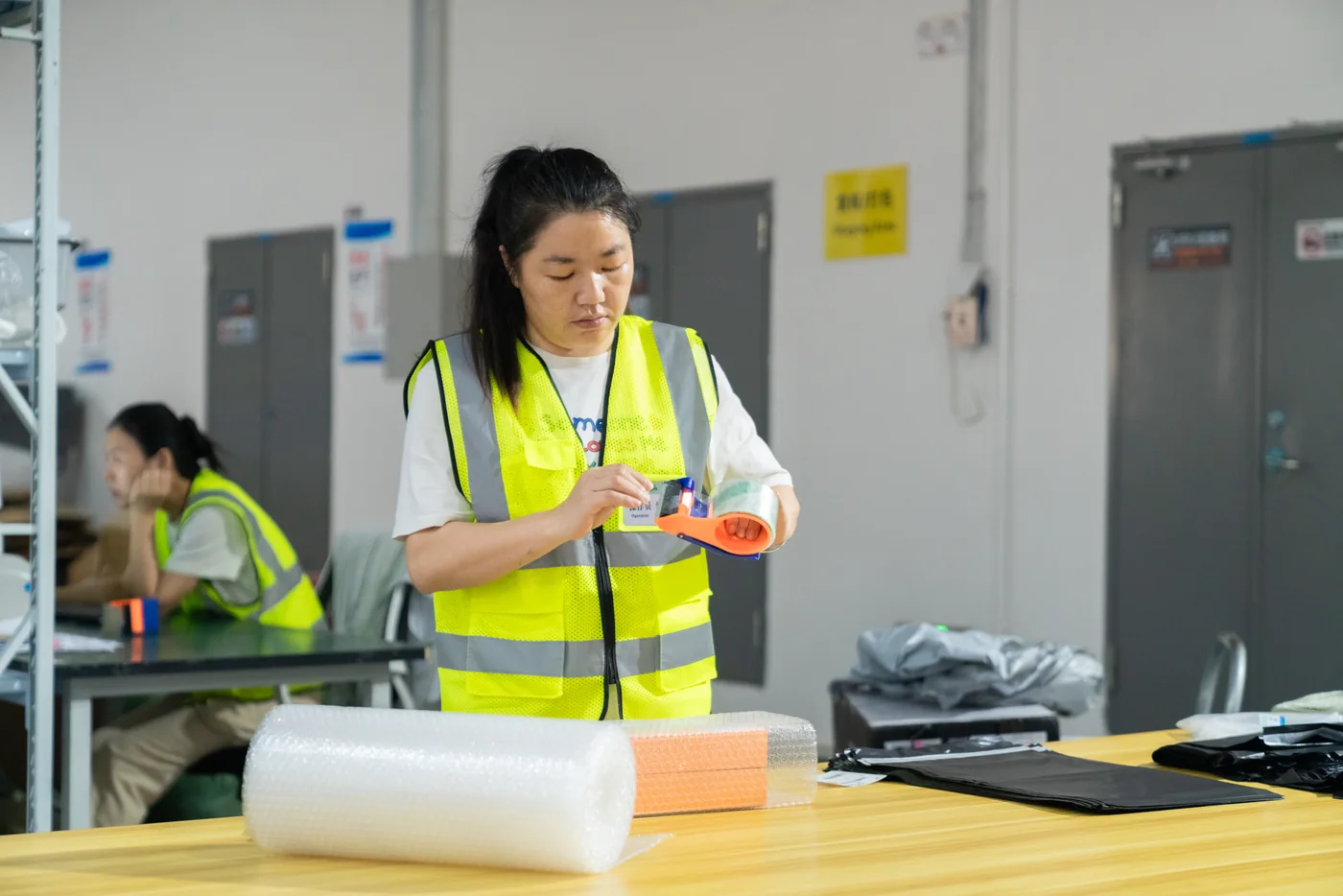
A package must protect the actual item and suit the planned route. Record dimensions and usable capacity rather than choosing by appearance alone. A retail presentation box may still need an outer shipping package, depending on the product and agreed packing method.
For a hypothetical creator merchandise order, the presentation may use one product box, a protective outer carton and a campaign insert. Those are three different stock items, potentially supplied at different times. A complete product count does not establish that the full packing combination is ready.
Record materials consumption
| Material record | Why it matters |
|---|---|
| Material reference and version | Prevents an outdated insert or box from being used |
| Available quantity | Shows what remains for upcoming orders |
| Quantity required per order | Connects the order forecast with material demand |
| Held or damaged quantity | Keeps unusable materials out of the packing plan |
| Reorder owner and supplier | Makes the next action clear when stock falls |
Include reasonable handling losses in the planning discussion, based on your actual records rather than an invented standard percentage. Reconcile materials used for samples, tests and rework as well as shipped orders.
Compare purchasing and storage terms
Confirm supplier minimum order quantities, artwork approval, production time, payment terms and delivery into the warehouse. These are quote-specific terms. Do not assume a custom packaging service always has no minimum order or unlimited free storage.
Buying a large quantity may reduce one unit price while increasing cash tied up, storage and the risk that artwork changes. Compare the whole decision. Keep an obsolete version clearly separated when a new brand design is approved.
Test the packed order before launch
Check the assembled package with the actual product and accessories. Measure the final external dimensions and gross weight for shipping estimates. Confirm that labels remain readable and that the packing instruction identifies the correct material version.
fulfillmentyx offers custom packaging and value-added warehouse work. Provide the product dimensions, intended order combinations, artwork status, material references and expected order volume to discuss a practical scope. Confirm materials sourcing and replenishment responsibilities in the agreement.
Frequently asked questions
Can I send my own branded materials to the warehouse?
Discuss receiving, identification, storage and use with the team before shipping them. Materials need clear references and a packing instruction just as the products do.
Is custom packaging available without a minimum order?
Minimum quantities depend on the material, supplier and work requested. Ask for the terms for your actual specification rather than relying on a general claim.
Can packaging change the shipping estimate?
Yes. The final outer dimensions and gross weight can affect chargeable weight and handling. Obtain estimates using the packed shipment rather than the bare product.

.png)